








What Hotel Guests Actually Value and How to Budget for It
The real test of hotel budget planning isn’t how much you save; it’s what guests notice when you do.
A guest probably won’t notice that you negotiated better pricing on breakfast supplies. They will notice an empty coffee station.
That distinction is worth keeping in mind during hotel budget planning. Purchasing decisions happen behind the scenes, but their results show up throughout the stay—in the condition of the towels, the availability of breakfast favorites and whether a room is ready when promised.
Research covered by Hotel Management offers a useful reminder of where to focus. In Questex consumer research powered by Datassential, 87% of guests identified staff friendliness and service quality as important, compared with 44% who identified personalization as important. Personalization has a place. It just shouldn’t distract from dependable hospitality.
For operators, the practical question is how to protect those fundamentals without giving every department a bigger budget.
Start by separating what guests need from what might simply look good in the next property update.
Start With the Stay Your Guests Expect
According to the same research, room quality had the greatest impact on an outstanding hotel experience, followed by service and then amenities. That gives operators a starting point, not a universal shopping list.
Before reviewing new products or supplier proposals, walk through the property as a guest would.
Does the room feel clean and well maintained? Is the bedding in good condition? Can someone charge a phone without moving furniture? Does breakfast work for a guest who has ten minutes before leaving?
Then ask the employees responsible for delivering that experience:
- Which supplies run short?
- Which products need replacing sooner than expected?
- Where are employees working around equipment problems?
- What do guests repeatedly ask for?
Use those answers alongside guest feedback and maintenance records. A repeated complaint about worn linens deserves a different budget conversation than a suggestion to add another decorative feature.
Build a Guest-Value Purchasing Checklist
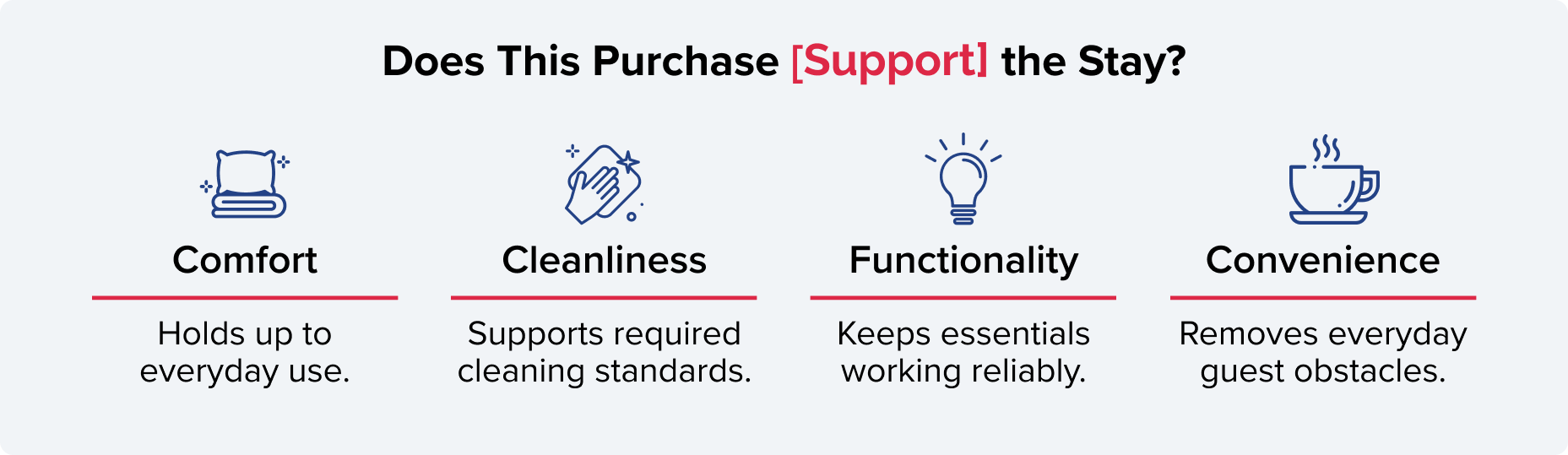
Before approving a purchase, consider how it supports four practical needs: comfort, cleanliness, functionality and convenience.
Comfort
For bedding, towels and other high-use items, define the performance you need before comparing prices.
Ask suppliers about care requirements, expected durability and suitability for your operation. Where practical, test samples under actual property conditions rather than judging them only when they arrive.
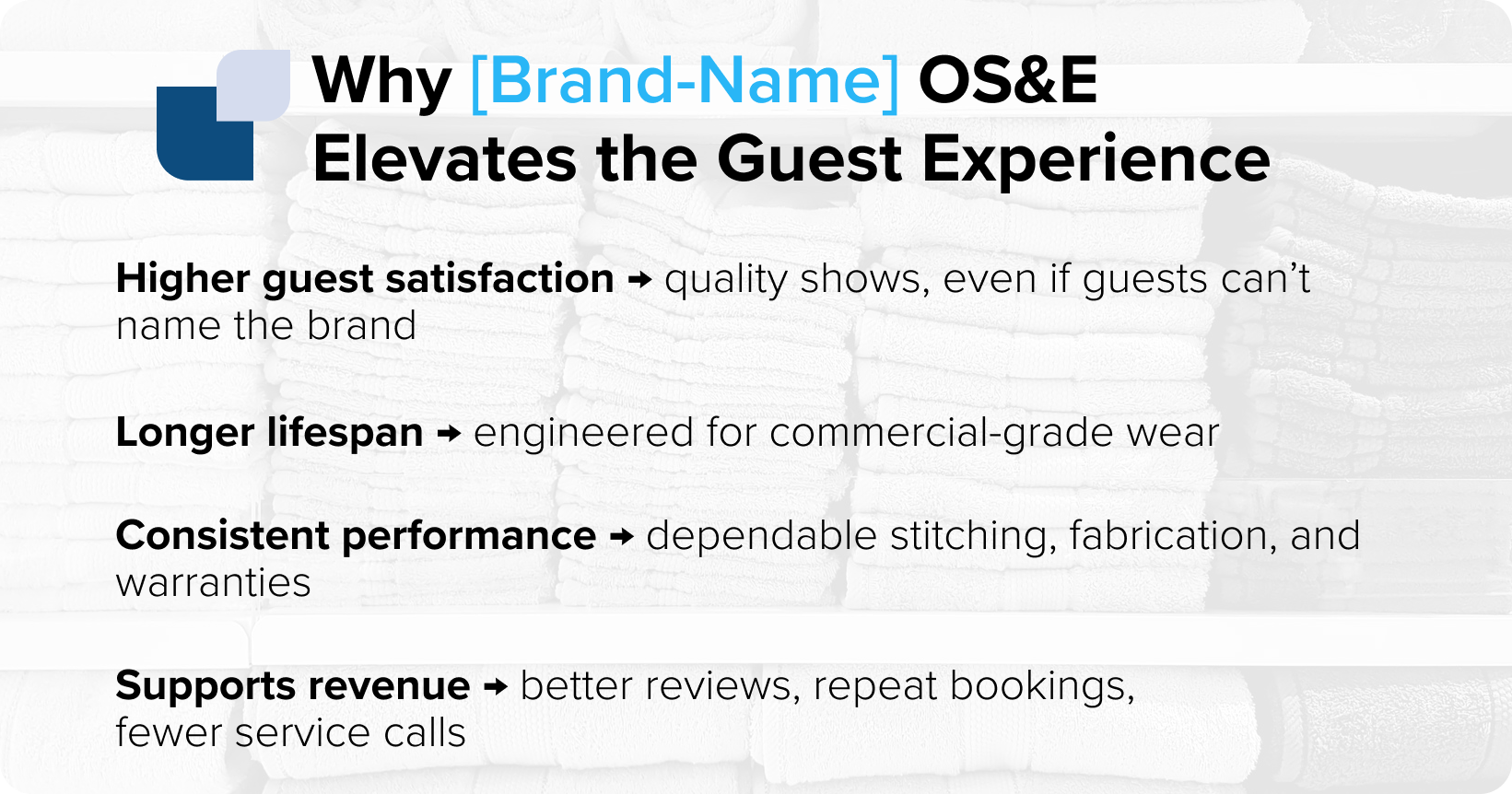
A towel that feels right out of the package still needs to meet your standards after repeated laundering.
Cleanliness
Bring housekeeping into purchasing decisions early.
Ask the team to evaluate cleaning performance, packaging, dispensing and compatibility with existing equipment and surfaces. Follow product instructions and required cleaning protocols; don’t treat a lower purchase price as a reason to compromise them.
The purchasing question is whether the product supports the standard your team must deliver—not simply whether the case costs less.
Functionality
Create a list of recurring failures before funding optional additions.
Include lighting, plumbing fixtures, guestroom equipment and other items that require repeated attention. Record the repair history and the operational disruption, not just the replacement price.
Connectivity belongs in this discussion, too. In the research reported by Hotel Management, Wi-Fi ranked highest among in-room amenities at 86%. Evaluate whether the current service meets guest needs before directing funds toward a more visible technology upgrade.
Convenience
Look for small obstacles in everyday routines.
At breakfast, that might mean cups stored away from the coffee station or packaging that doesn’t suit a portable meal. In guestrooms, it might mean charging access that is difficult to reach.
Before buying something new, identify the problem it is supposed to solve. Sometimes the answer is a different product. Sometimes it is a better layout or replenishment process.
Separate Essential Replacements From Optional Upgrades
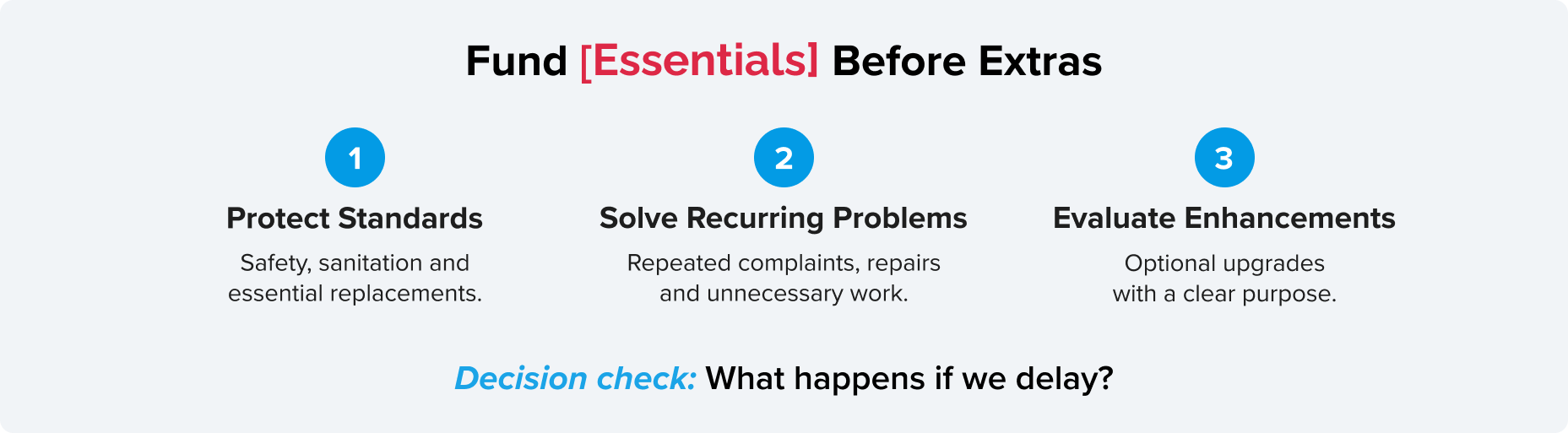
Putting every request on one wish list makes prioritization difficult. Instead, sort proposed spending into three groups.
1. Protect essential standards.
Address safety, sanitation, applicable requirements, brand standards and failed equipment first. Include replacements needed to keep the property operating at its established service level.
2. Resolve recurring guest or employee problems.
Consider purchases tied to documented complaints, frequent repairs or unnecessary work. Ask each department to describe the issue, how often it occurs and what improvement the purchase should deliver.
3. Evaluate enhancements.
Review decorative changes, expanded amenities and new concepts after essential needs have been funded. Give each proposal a clear purpose, a full cost estimate and a way to assess whether it was worthwhile.
An enhancement may deserve investment. It should simply have to make its case.
For each request, ask: What happens if we delay this purchase? The answer helps distinguish a genuine operational need from a preference.
Compare Total Cost, Not Just the Invoice Price
A useful hotel purchasing strategy looks beyond the quoted unit price.
Before switching products or suppliers, compare:
- Purchase price and pack size
- Freight, delivery charges and order minimums
- Expected useful life or usable yield
- Maintenance and care requirements
- Storage needs and likely waste
- Warranty coverage and replacement availability
- Applicable discounts and rebates
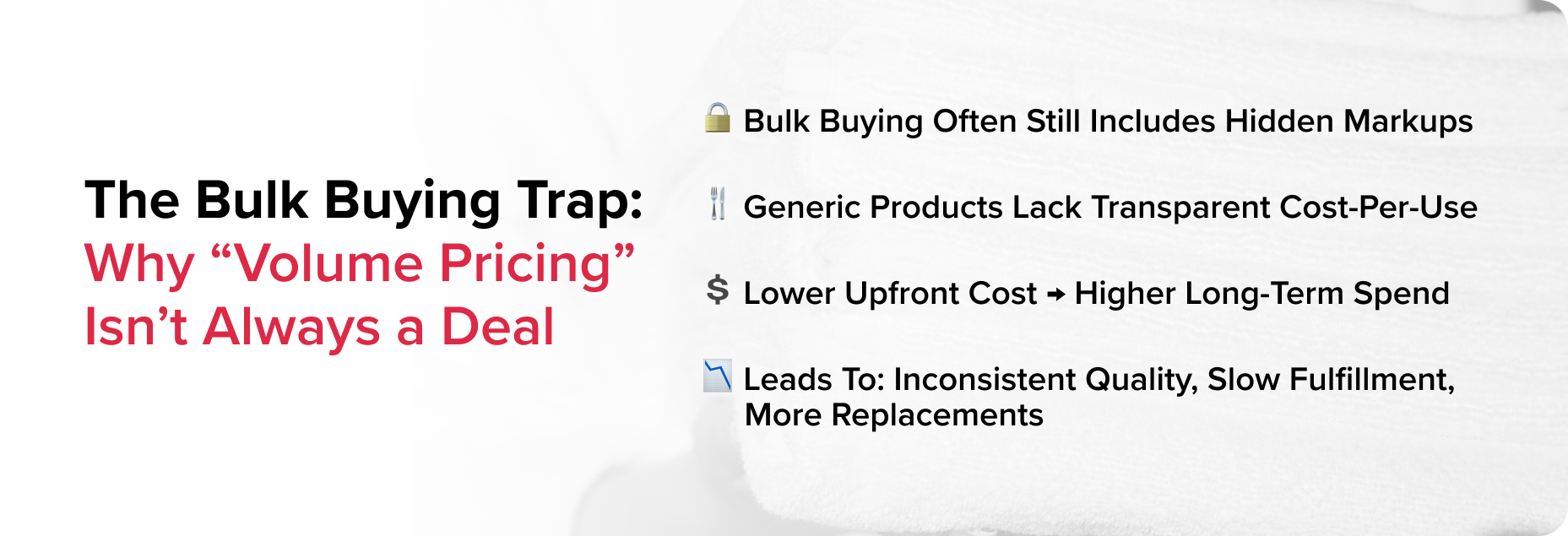
Use a consistent basis for comparison. Cost per case tells you little if the cases contain different quantities or the products perform differently.
Consider this hypothetical linen comparison: one item costs $30 and delivers 60 acceptable uses; another costs $40 and delivers 100. Their purchase costs work out to 50 cents and 40 cents per use, respectively, before laundering and other expenses.
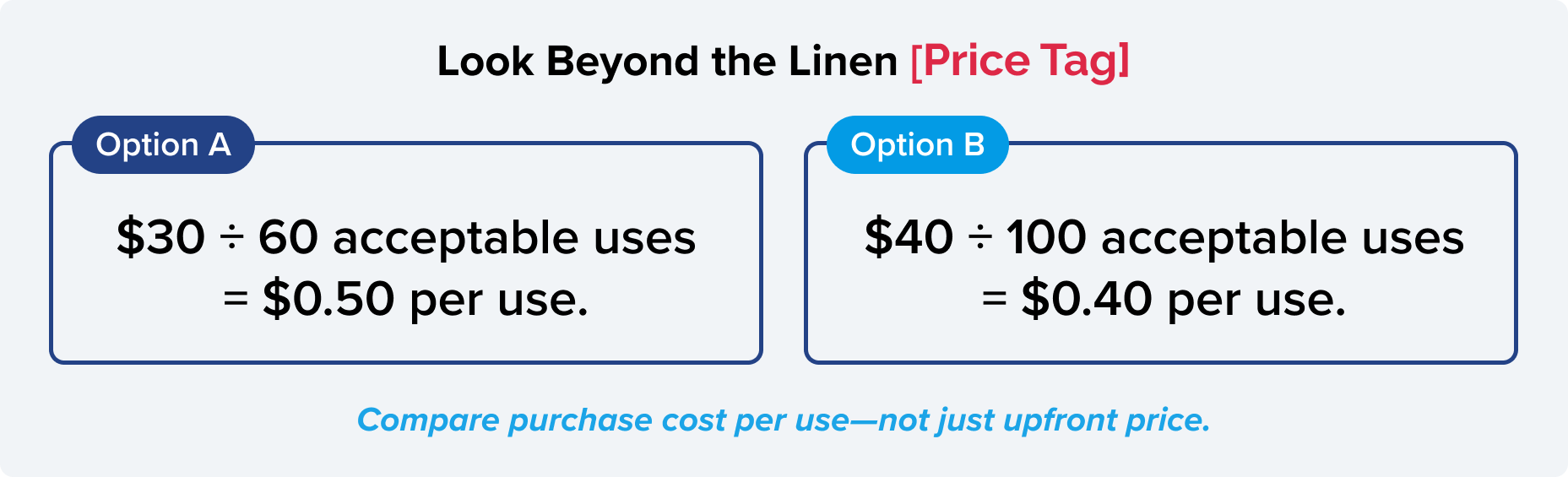
The more expensive item has the lower purchase cost per use in that example. That doesn’t automatically make it the right choice, but it shows why the invoice price alone is incomplete.
For a meaningful change, consider a limited trial. Agree on the evaluation criteria in advance and get feedback from the employees using the product.
Give Breakfast a Focused Budget Review
Breakfast deserves its own assessment. The research found that 57% of guests eat breakfast at their hotel—roughly twice the rate of any other daypart. It also found a preference for casual cafés and grab-and-go concepts over fine dining.
That is a reason to examine breakfast carefully, not automatically expand it.
Start with your property’s guest mix and operating model. Review:
- Which items are selected most often
- What remains at the end of service
- When replenishment falls behind
- Whether coffee and beverage capacity matches peak demand
- Whether portable options suit guests leaving early
- How packaging, condiments and disposables contribute to cost
Set clear measures before changing the menu. Depending on the operation, those might include food cost per cover, waste, replenishment frequency and guest feedback.
A smaller, well-executed offering may be worth testing against a broader menu. Let the results guide the decision.
Review Purchasing Before Cutting the Standard
When a category runs over budget, don’t begin by assuming the product needs to get cheaper.
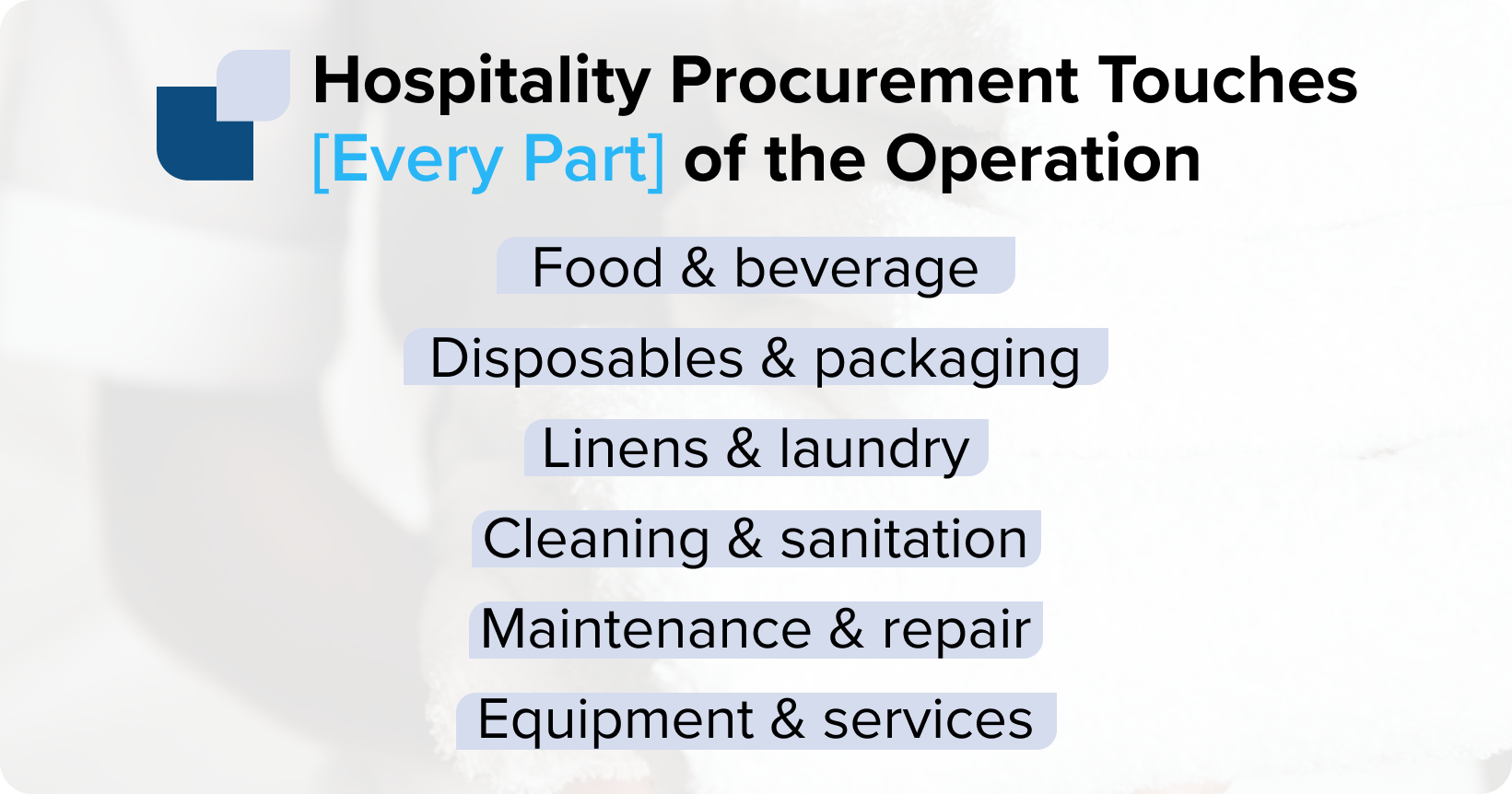
First, check what the property is actually buying.
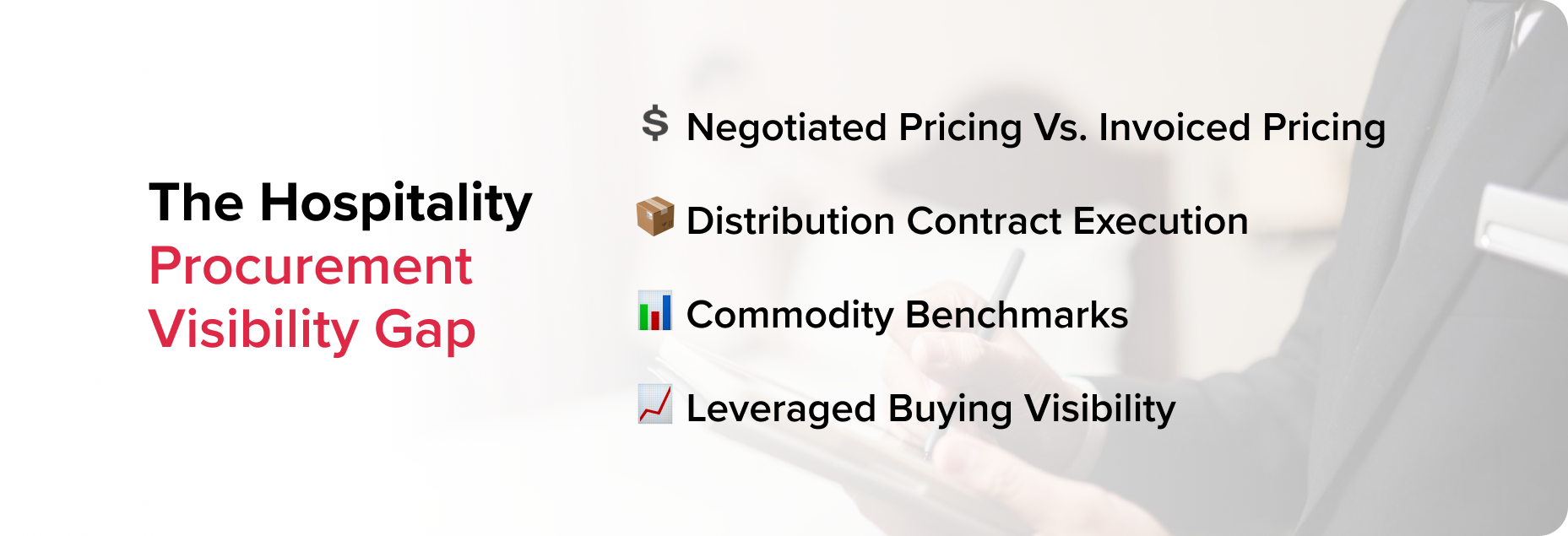
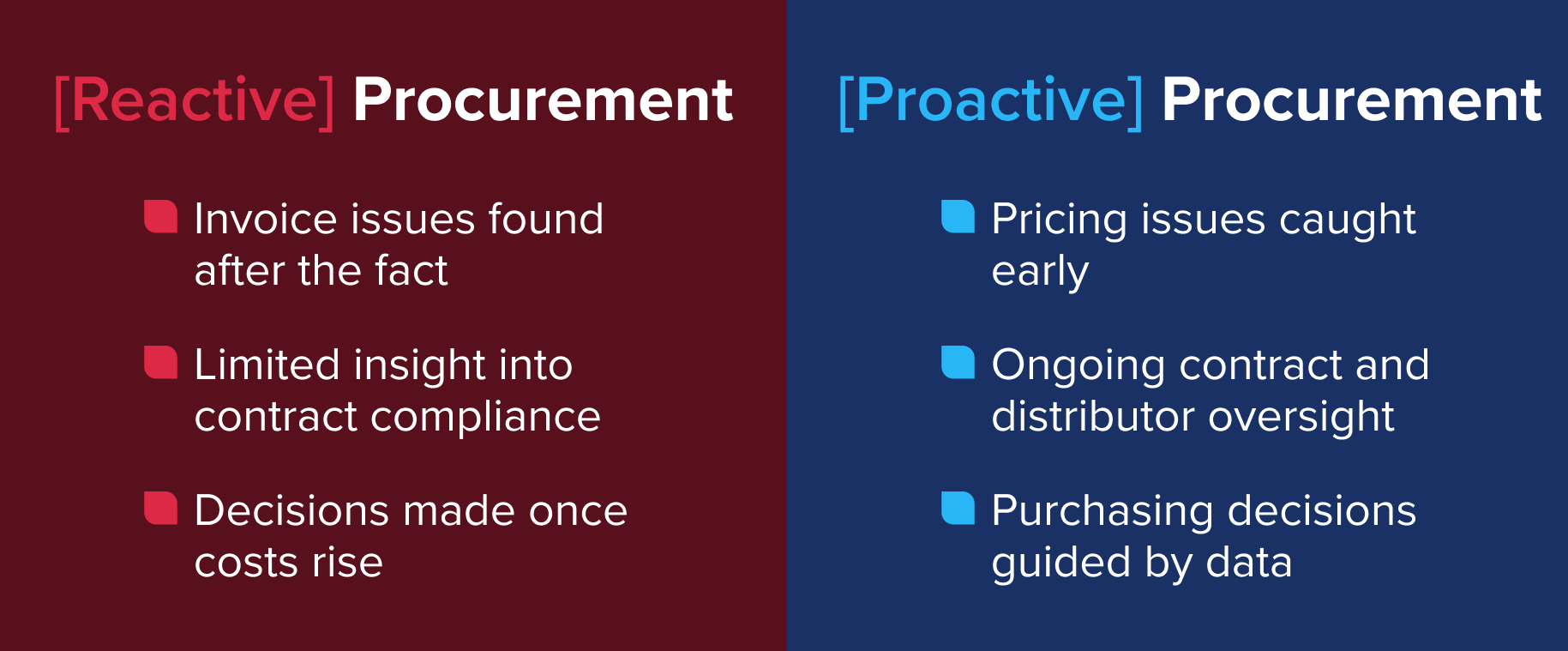
Compare recent invoices with agreed pricing. Review pack sizes, substitutions, delivery fees and purchases outside approved agreements. Look for similar items being ordered under different descriptions. Confirm whether eligible pricing and rebate opportunities are being used.
Then separate the possible responses. A pricing discrepancy needs correction. Excess ordering needs an inventory review. A product that fails too soon needs a performance review. Those are different problems, and replacing everything with a lower-priced alternative won’t necessarily address them.
Put Better Purchasing Visibility Behind the Budget
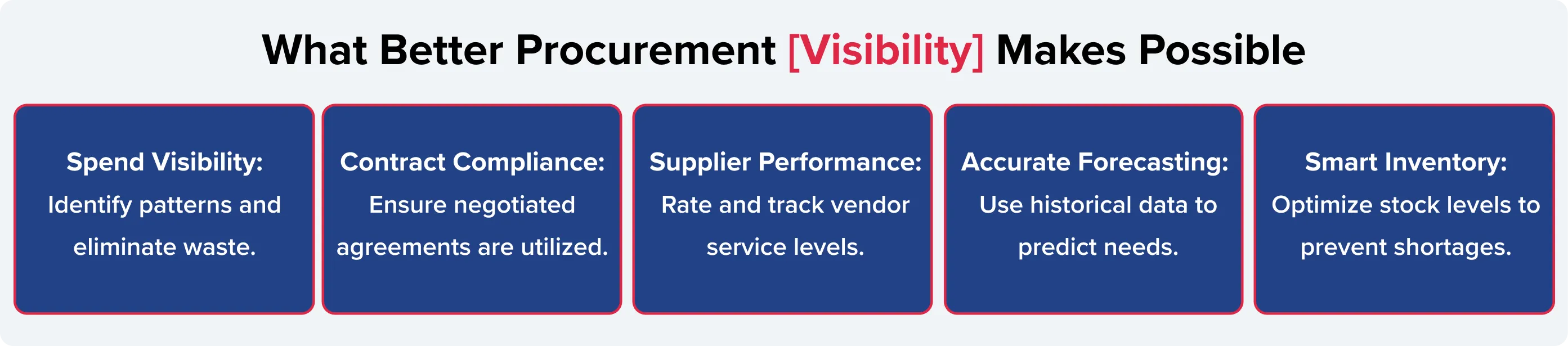
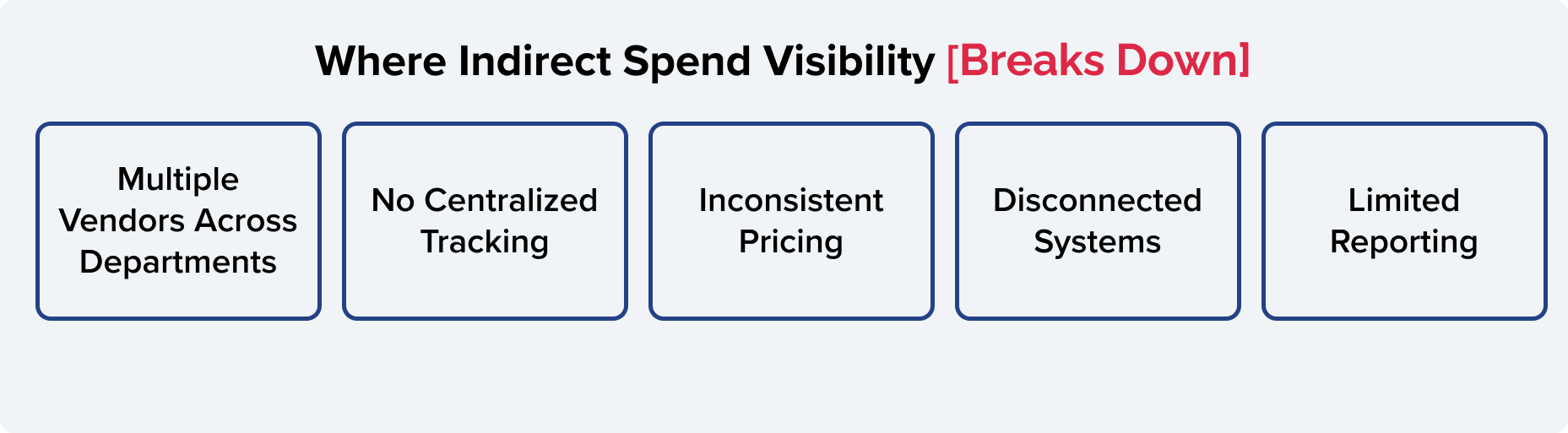
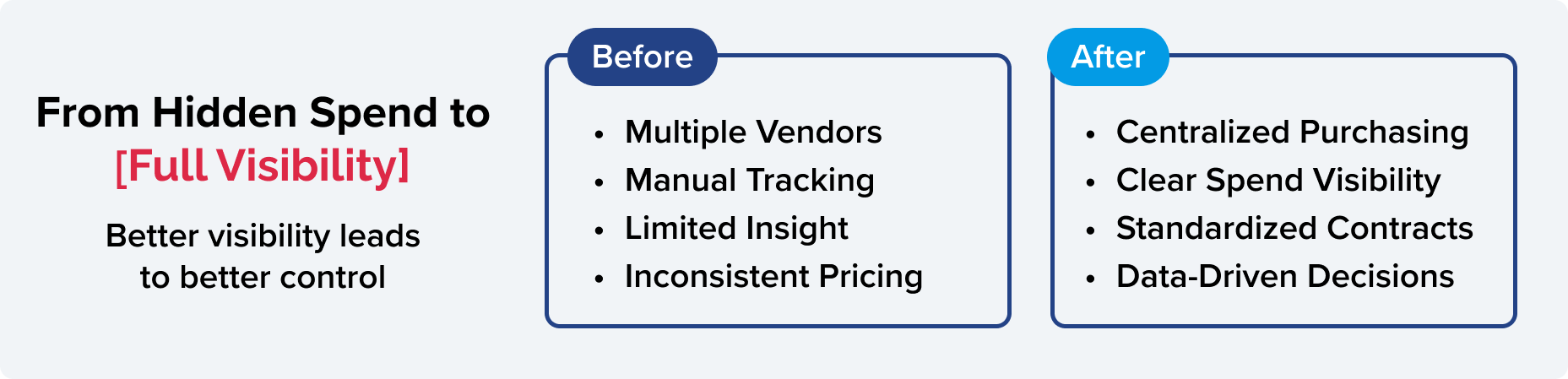
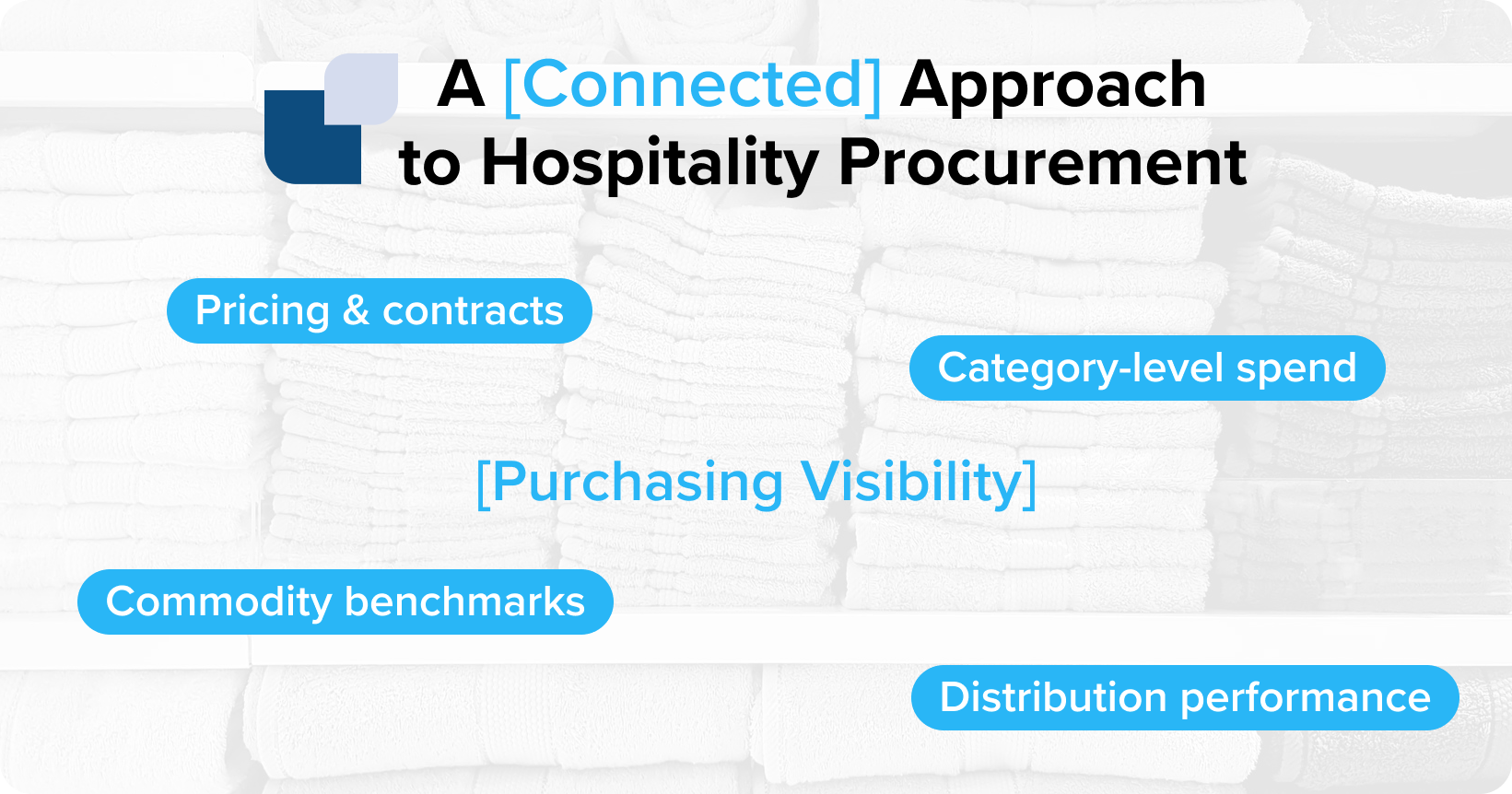
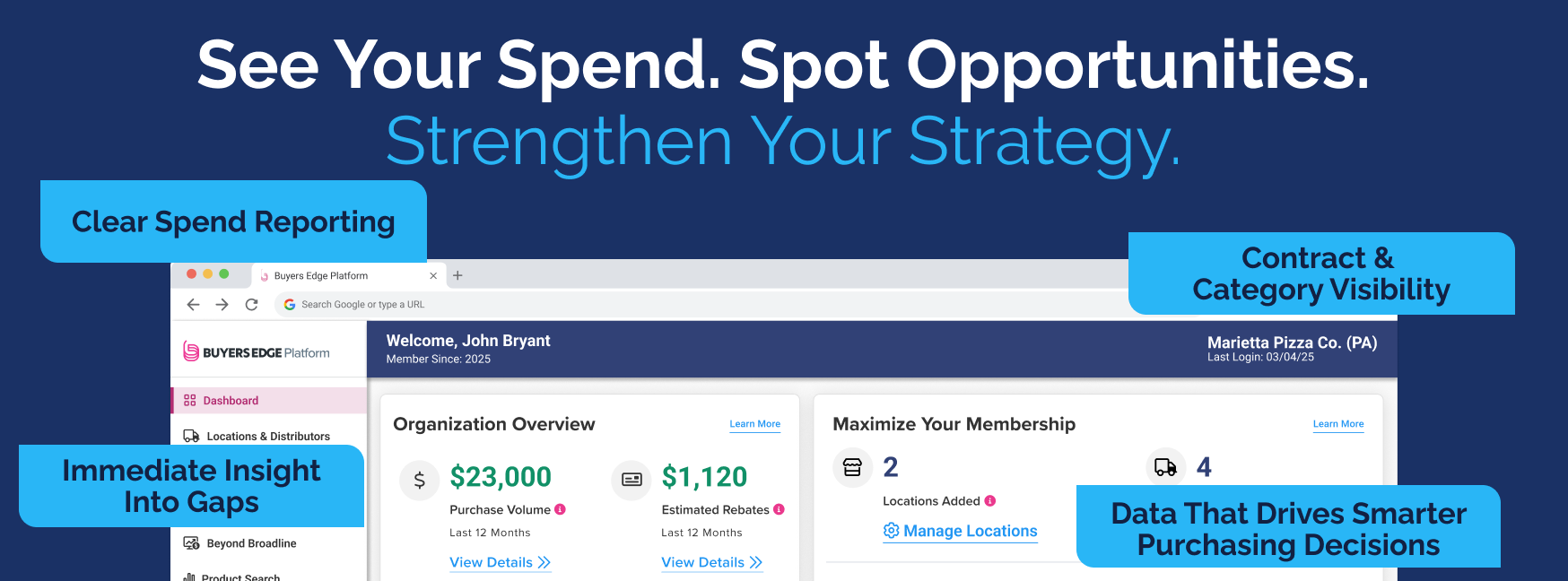
Once priorities are clear, purchasing data can help operators examine where everyday spending supports those priorities—and where it deserves a closer look.
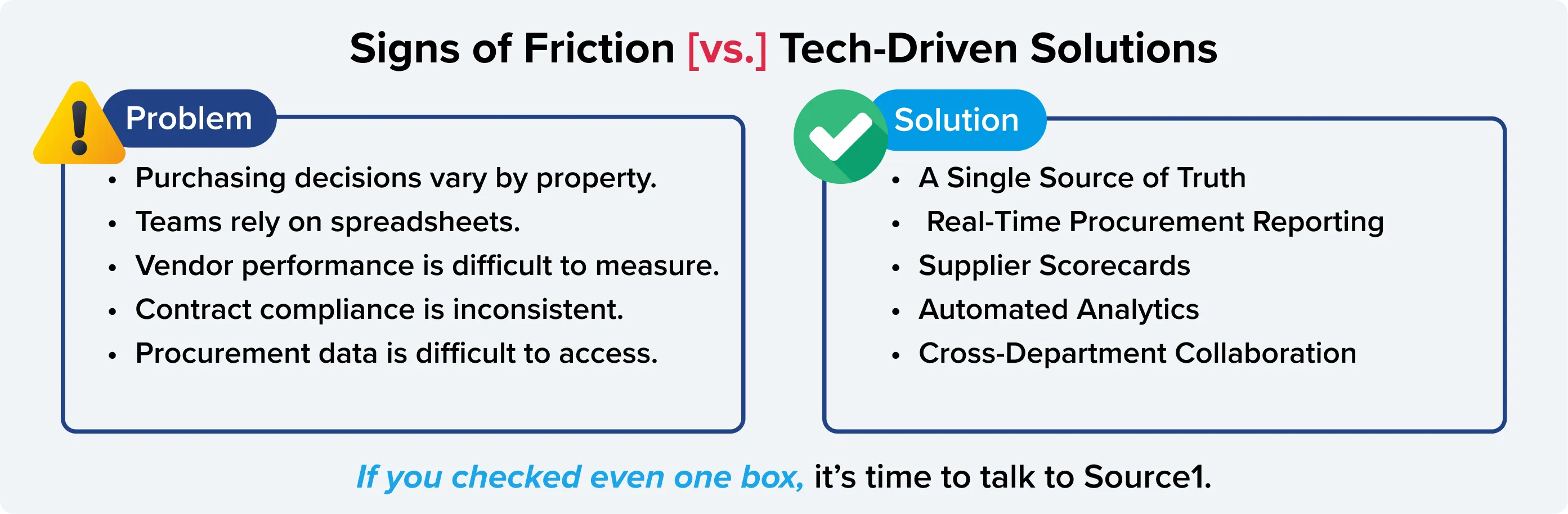
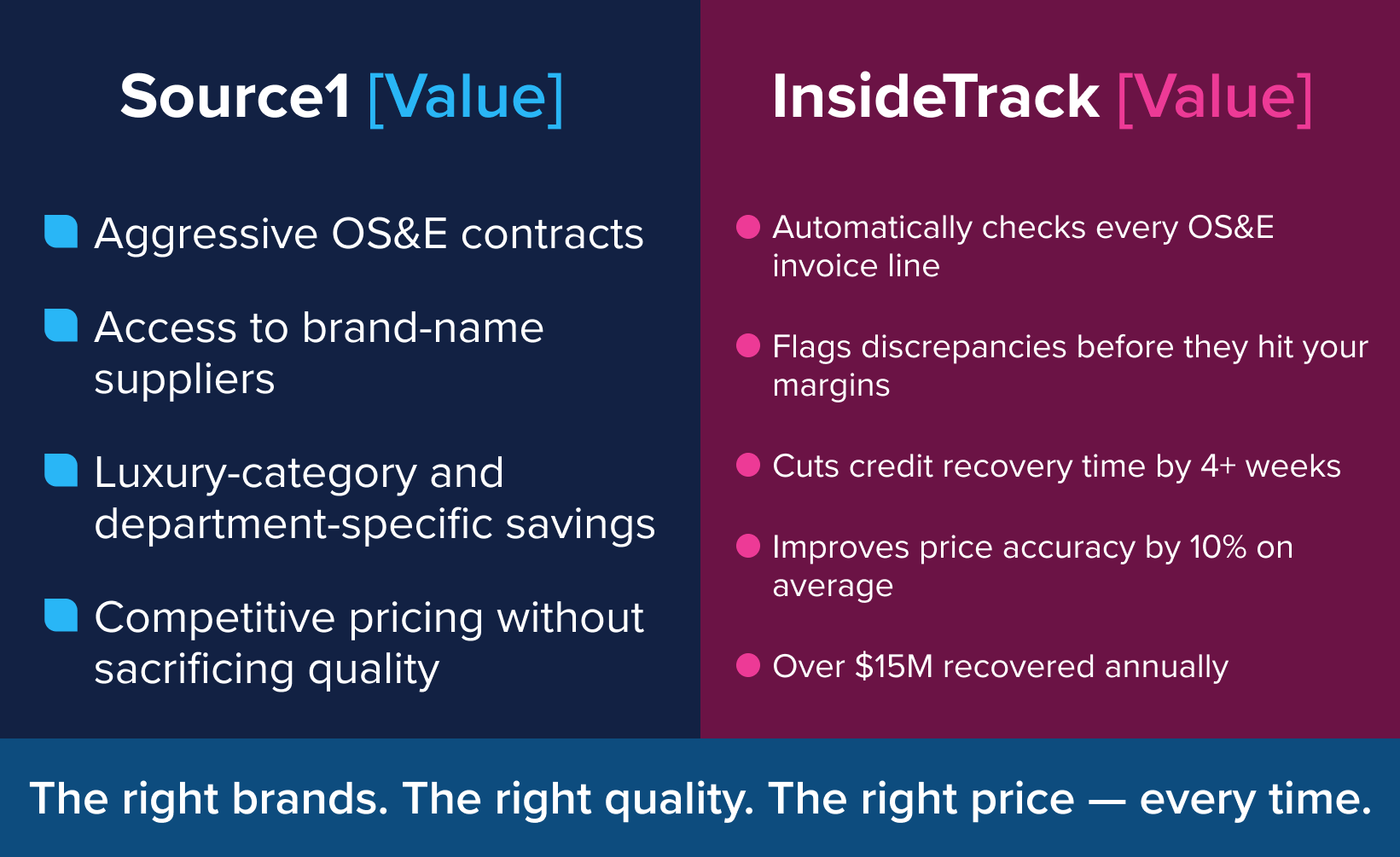
That is where a procurement resource can support the process. Source1 offers purchasing visibility, procurement assessments, and access to pricing and rebate opportunities across hospitality purchasing categories. These resources can help operators review current spending and identify potential savings opportunities.
Procurement doesn’t replace service training, maintenance planning or sound operational judgment. It gives the people making those decisions a clearer view of what they are buying.
Start with one high-use category. Define the standard, review the spending and investigate the gaps. Then use what you learn to build the next budget around the stay you intend to deliver.
Interested in reviewing your everyday purchasing? Click here to connect with Source1 to discuss a procurement assessment.
FAQs
How can hotels reduce purchasing costs without compromising the guest experience?
Start by reviewing invoices, agreed pricing, pack sizes, delivery fees and inventory levels. Check for off-contract purchases and eligible rebates before switching to cheaper products. A focused hotel procurement review can help uncover savings opportunities while protecting the standards guests expect.
How do hotels compare the total cost of supplies?
Compare hotel supplies on a consistent basis, such as cost per use or usable yield—not just cost per case. Include freight, durability, care requirements, storage, waste and replacement availability. For meaningful changes, test products under actual property conditions before committing.
How can hotels improve breakfast value without expanding the menu?
Review popular items, leftovers, peak demand and replenishment gaps before adding more choices. Track food cost per cover, waste and guest feedback. A smaller, well-executed hotel breakfast offering may be worth testing against a broader menu, especially when coffee availability and portable options matter.
How can Source1 support hotel budget planning?
Source1 offers purchasing visibility, procurement assessments, and access to pricing and rebate opportunities across hospitality purchasing categories. These resources can help hotel operators review current spending, investigate gaps and identify potential savings opportunities while keeping operational priorities in view.