





Contacts

1005 Lake Ave.
Lake Worth, FL 33460

marketing@source1purchasing.com

+1 800 777 1992

4-step-graphic
Blog PostsLodging

What benefits can your Hotel Gain from a Group Purchasing Organization?

At first glance, you might think participating in a group purchasing organization is all about saving money. But partnering with an organization like Source1 Purchasing is about much more than simply finding the lowest prices. There are a number of resources that become available like the commodity report. Released by Source1 in partnership with Entegra, the report spotlights how prices are trending and why. It is important for you to understand commodity pricing and project how a change will impact your operations. In the end, it’ll help you make better purchasing decisions.

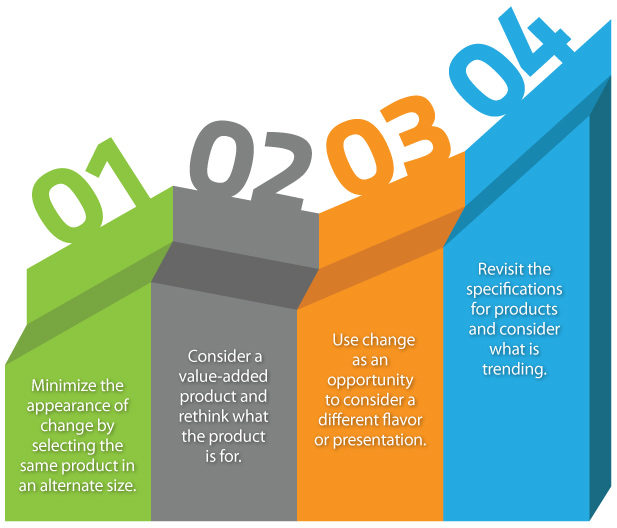
There are a number of different areas that are impacted by emerging nations, market trends, weather and other issues. Operators need to revisit the specifications for their products and consider what’s trending. Can they take advantage of these trends and select different products or foods to maximize their cost savings?

One thing is certain for restaurant and hotel operators: commodity prices for food and hotel supplies will fluctuate…wildly at times. These unpredictable changes impact a hotel’s budget and will challenge its commitment to consistently satisfying customers.

Being part of a group purchasing organization helps you fulfill your promise, which is a key element in maintaining a relationship with loyal guests.

It can be hard to gain loyalty from today’s guests because they are savvy at online shopping for the best value and best hotel that meet their criteria. Kelton Global conducted a survey for the Carlson Rezidor Hotel Group to learn about hotel loyalty program members.

The survey, which was discussed in an article on the MarketWatch website, discovered that even though four out of five respondents said they would join a hotel loyalty program, it would take at least three experiences for two-thirds of them to consider themselves loyal to any specific brand.

This is kind of like a three-strikes-you’re-out mentality, but it does give you opportunities to prove you can be consistent. Also revealed in Kelton Global’s research is the fact that one in five Americans belong to a hotel loyalty program, and nearly 60 percent join more than one loyalty program while shopping around for the hotel best suited to their needs.

Now more than ever you need to be on top of your game, including the strategic use of marketplace intelligence like commodity reports. The products you select should only reflect your brand promise to guests and elevate their overall experience.Commodity reports coupled with other reports on trends provide important information needed to plan an overall guest experience from arrival to menus even the way those items are delivered. Remember room service? Today’s traveler wants other options.

Restaurants and hotels have become creative with their approach to balancing the budget and the brand promise. For example, you can minimize the appearance of change by selecting the same product in an alternate size.

You may want to start looking for a value-added product. Just like coffee manufacturers have moved from selling a pound of coffee to selling 12- or 15-ounce containers, operators need to consider the same approach. Rethink and refocus on what the product is for. If one particular protein becomes too expensive, for example, consider a different quality or a different cut.

Operators can also use change as an opportunity to consider a different flavor or presentation. Make the new dish a limited time offer to build a buzz and drive revenue. If produce costs are falling while protein costs are rising, use this to create a number of dishes where fruits and vegetables are the main attraction. Tie that in with the local food movement and market it to guests who are looking for lighter dishes that are also healthy and environmentally conscious.
Finding a less costly product can actually be an opportunity to expand your menu and attract new guests, and is yet one more benefit of joining a group purchasing organization.

The commodity market will always be somewhat unpredictable. But that does not need to be a frustration. Use reports to explore creative solutions. Your operation can create a memorable experience for guests without overextending your budget. Source1 Purchasing assist their customers with information from commodity reports, updates on trends and the latest from suppliers…all with one goal; to make smarter purchasing decisions.

The-top-benefits-of-joining-a-purchasing-group
Blog Posts

The Top Benefits of Joining a Purchasing Group

Purchasing groups for the hospitality industry provide the same buying power and a wider range of options to all hotel operators. This is good news and beneficial for operator of smaller operations. You can maintain quality while experiencing greater savings.  That’s one sure way to enhance guest satisfaction.

If you’re an hotelier or general manager of a smaller operation, you are typically responsible for everything at your property, including the never-ending search for best costs on all your supplies. It is nearly impossible to compete with large operations that qualify for volume discounts

The time and resources you devote to procuring food, beverages and supplies doesn’t always translate into savings. Consider a different approach for the way to handle your hotel purchasing needs.

As you begin to learn about hospitality industry purchasing groups, the benefits will quickly stand out. By participating with a GPO, you have access to the price stability that pre-negotiated national contracts offer.  Next step?  Learn how the purchasing group functions in order to get the most from your partnership. Is there a fee?  Is there a long term contract?

There are many different activities and methodologies in procurement.  Those new to managing an operation may focus on buying or obtaining products. Over time, the value of purchasing, a broader concept becomes the focus to meet the requirements of brand, its reputation and the role that each product plays in delivering on the larger promise of your operation.

While small- to mid-sized operators have historically functioned as buyers, there is a growing sophistication. As in the past, to keep prices under control, the model required hoteliers to make many sacrifices in brand quality and consistency. Those sacrifices ultimately influenced the guest experience and satisfaction.  Today, hoteliers are looking for smarter purchasing solutions to protect the brand.

You don’t have to sacrifice quality to provide the best value. By joining a purchasing group, you will benefit from standards-based purchasing and also qualify for even more savings by accessing national, pre-negotiated contracts. Over time, this has become the methodology of choice for hotel operators. Typically, with over 6,000 products, hoteliers don’t alter the product, just the price they pay in large part due to the national contract pricing

Deviated contracts offer a set price directly from manufacturer to buyer. This type of model is seven times more impactful and illustrates that the manufacturer wants to earn your business and build a relationship with your operation.

You can access greater tiers of savings with purchasing groups. Source1 Purchasing participants benefit from access to industry trends, national contracts on the products hoteliers have come to trust and an understanding of the requirements of hotel brands.

large-and-midsize-procurement
Blog PostsLodging

Why a New Procurement Process better Leverages your Hotel Purchasing

Large well-known hotel brands are serious when it comes to their procurement process, selecting the most appropriate suppliers to support their various tiers of service. Both Hilton and Marriott hotels have defined specific criteria for potential suppliers on their websites. Like many hotel companies, they are selective about the products and services they choose based on a commitment to adhere to carefully established brands standards, designed with quality and consistency in mind.

Marriott looks for suppliers that provide excellent service and value-added products that meet or exceed their standard of quality. They also expect competitive pricing and innovative solutions. Hilton shares this focus. Both hotel companies are dedicated to cultural diversity of local communities.

Keeping their promises to guests is important to these brands and it shows throughout their procurement process. They want the best quality in addition to the best choices. Major hotel companies engage in direct negotiation because their volume translates to significant buying power.

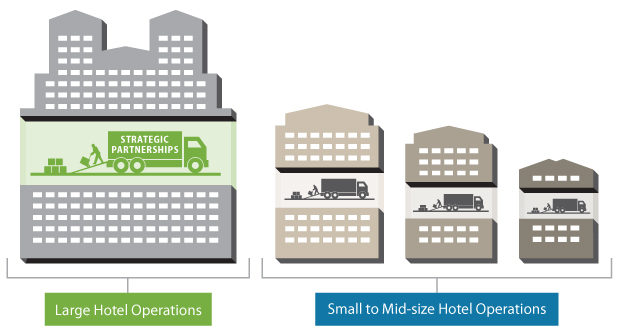
Large hotel chains are often staffed to ensure adequate research of products, services and trends. Their purchasing teams are able to verify the quality of the products and the reputation of the companies, with a thorough understanding of the supply chain,

Smaller and mid-sized hotel companies can also benefit from a strategic procurement process. Companies like Source1 Purchasing are arriving with programs that allow operators to access the same strategic solutions…

It starts with a clear understanding of price and cost. Price is not the key evaluator. At Source1, that the importance price plays, as an exchange rate is underscored. Cost is the sum of yield, brand and utilization; cost usually represents the cost of ownership.

This is a big shift and translates into the major difference between buying and purchasing. Buying is an acquisition and purchasing is a study of all the factors of ownership. Buying is just the simple act of acquiring an item, but purchasing has many complex activities to it.

An old adage sums it up simply — amateurs buy often, professionals purchase once.

If you find you and your team are continuously shopping and getting bids, and constantly changing suppliers in an effort to get the lowest price, stop for a moment and consider the long term implication. When you negotiate once, you get a fair price over time and return you attention to your primary business, growing your hotel’s revenue by delighting your customers. What’s important is selecting a quality partner and working with that partner to create a list of products and standards.

Group purchasing organizations can help operators by providing invaluable expertise in the area of protecting brand standards and accessing the best products at the best price. Their service allows you to focus on other areas of your operation. When a smaller operator runs to Costco to buy supplies, they may save $30 on that day. Or they could have spent their time in ways to generate more revenue.

Consider yield — what you do with the product once you’ve attained it. With standards-based purchasing, you get high-quality products and have very consistent performance. That consistent level of quality costs less and gives your customer a familiar, welcome experience.

Best practices in purchasing and procurement are not reserved for the largest hotel companies anymore. Consider the benefits of engaging experts in a solid procurement process while you turn you attention to growing your revenue.

gpo-map-feature-one
Blog PostsLodging

How Hotels can Benefit from Group Purchasing Organizations

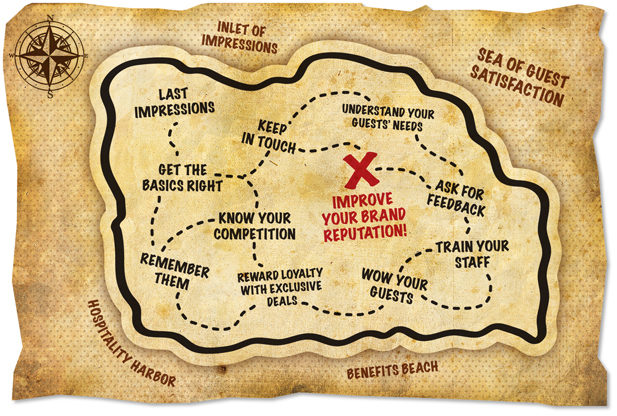
Every guest has certain needs and expectations. Business travelers want certain amenities to make their travels comfortable while leisure guests are motivated by other amenities every traveler has one clear expectation – consistency with a brand. They expect consistency in quality, value and other aspects of their hotel stay.

According to an article on the Hotel News Resource website, getting the basics right while consistently improving your operations goes a long way in making sure guests are happy, satisfied and want to return.

You can spend a lot of time simply focusing on the basics, but you might inadvertently overlook other important aspects of managing a hotel business. Occupied rooms generate revenue, but represent only one slice of the revenue pie.

You might be surprised at the steady increase in overall revenue generated from better management of your purchasing. Better management does not mean changing suppliers often, even though other suppliers might promise lower prices from time to time.

Traditionally, an operator negotiated with suppliers in their local area, which limited their options; they could only leverage their buying powers so much. With new technology, you’re now able to use hotel group purchasing organizations like Source1 Purchasing to get volume discounts and better prices from the manufacturer.

The relationships that group purchasing organizations have with manufacturers allow mid-market operators to secure pre-negotiated prices through the local supplier network, just like a larger organization would. This direct manufacturer relationship allows you access to a broad variety of product lines and brands, so you can repeatedly order high-quality products at a consistent price.

Operators can also consider alternatives to their products and services they buy as consumer trends change. A hotel group purchasing organization can offer the operator insights and trends as well as stable purchasing solutions historically; the research into new ideas would be very time consumer for hoteliers.

Smaller and mid-market operators have traditionally used competitive bidding to find the products they need at the lowest price; they want to ensure they’re getting charged as little as possible. But this often causes them to spend hours doing research and changing suppliers. The result can have a long term impact of the quality and consistency of products and services, and importantly, distract operators from other important areas of the hotel operation.

Frequently changing suppliers can also increase the likelihood of losing quality products and consistency. But remember: Guests want consistency throughout their stay, especially business travelers. When that need is met, they view your hotel favorably and share their positive experience on social media sites. Happy guests also return.

As they learn about GPO benefits, more operators are joining buying groups to access savings but also expertise, access to industry trends, updates about new products, and renegotiated contracts that protect their operating costs from inflation.

Operators that are considering a group purchasing organization like Source1 should take a look at the top 25 products they use and see what kind of savings they could achieve by using strategic sourcing. Our strategic sourcing solutions can get you a better price while saving you time — no more shopping around for the best price each month. Source1 knows that every dollar matters and that you need the right products at the right price.

You no longer have to handle all the purchasing negotiations alone. A hotel purchasing group does more than provide access to lower prices. This type of program also reduces operating costs, ensures quality and, most importantly, provides you with the insights and resources of a partner with purchasing expertise.

Graphic designed using information from: Hotel News Resource

Why-should-you-use-a-sourcing-or-purchasing-company-to-access-essential-food-and-beverage-items
Blog PostsLodgingRestaurants

Why Should You use a Sourcing or Purchasing Company to Access Essential Food and Beverage Items?

Do you have a strategic purchasing process in place to maximize signature items on your menu without overspending or wasting food?

Food and beverage sourcing or purchasing services for the hospitality and foodservice industries play a vital role in the success of all restaurant operations – both associate with a hotel or resort, and self-standing. You have so many options when it comes to selecting products.  Add a strategic plan that you consistently use and you will be able to control your food costs.

According to an article on the StarChefs.com, Chef Chris Chung of AKA Bistro in Boston’s Lincoln Park summarizes his method to control food cost into four basic principles — “order as necessary, maximize each ingredient, cook seasonally and have more than one vendor.”

Chung also trains his employees to use every piece of a product and be creative with the scraps.

In the same article, chef Zach Allen, head of the kitchen at three Las Vegas restaurants, shares that he has been able to actually lower food costs at all of his restaurants by knowing his inventory, ordering wisely in bulk and training his staff to diligently practice portion control.

It is possible to consistently serve quality, delicious food and even offer new or seasonal items with some planning, testing and preparation. Hospitality sourcing or purchasing services, such as those provided by Source1 Purchasing, help track your food cost so you can focus more energy on serving customers.

There are three parts to the product selection process you need to consider: the ingredients, the recipe and menu planning.

Although the building blocks for selecting the right products are essentially found in these three areas, each element certainly has its own focus of quality and standards.

The Ingredients

For example, turkey breast comes in a variety of products, from premium, naturally basted turkey with little salt added down to a chunked and formed turkey roll. And these varying levels of products will apply to everything from butter to vegetables.

Ingredients are essentially the foundation. For ingredients, you’d be looking at a product’s flavor profile, yield and brand.

The Recipe

The recipe blends these ingredients in combination to ensure consistent flavor notes are presented in a consistent fashion. Recipes are normally proofed and tested to make sure they’re consistent in flavor profile and harmony. But how you spice one dish at a restaurant varies greatly from how you’d spice a large-volume dish for a college cafeteria.

The Menu

Finally, the menu offers a variety of items that reflect the concept and theme of the restaurant. It brings together all of the elements from the ingredients and recipes that the operators have selected.

Restaurants need to regularly conduct promotions and product testing to determine which new products will work support the theme or concept. These promotions allow the operator to see which new products can most improve the guest dining experience and offer instant feedback. Successful promotional items can be incorporated into the regular menu, ensuring that offerings are always evolving.

Every menu should include signature items that reflect the character of that establishment. These items demonstrate the restaurant’s uniqueness and offer a standout experience that helps to attract repeat customers.

This is where the primary benefit of smart purchasing practices comes in. Operators can deliver high-quality branded products — preferred products that every diner wants — for the price that they used to pay for medium-quality products. These high-quality products help restaurants create a strong reputation and deliver consistent service. Restaurants now have the ability to use a better-quality product and create better-tasting meals, allowing them to enjoy the halo effect this casts over their entire operation.

As you continue to improve your food and beverage operation, consider the benefits afforded by sourcing services or purchasing insights from companies like Source1 Purchasing. They work alongside their customers to procure or purchase the best ingredients at the best price possible from well-known suppliers that are known and trusted. That way, you can focus your attention of growing your business and exploring new promotions…confident that you are delivering a quality, memorable dining experience for your guests.

S1P-Signature-Menus
Blog PostsLodgingRestaurants

How can Strategic Sourcing Help You Find Specialty Products and Create Signature Menus?

New food and beverage trends are finding a place on hotel menus because travelers today want to maintain their same eating habits when they are traveling for business or pleasure. . On a larger scale, these various trends challenge operators to keep current with the f&b trends and change their standards when the time is right. With a strategic sourcing or purchasing plan in place, it’s easy to handle the changing expectations of guests and deliver the right products at the right time ….and at the right price.

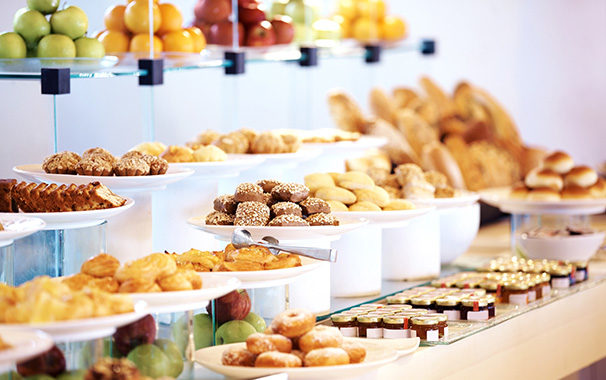
Even simple trends like free breakfast can have an impact on operations across the industry in certain levels. Take a moment and consider this…how many hotels offered a free breakfast 20 years ago? Today, it’s expected by travelers who frequent certain brands at certain levels. Research has demonstrated that, if the hotel rates are about the same, a guest will choose the hotel with the free breakfast. These expectations give operators important insights to consider.

How do you offer a quality breakfast at a reasonable cost?

Once an operator overcomes consideration for trial-and-error or even addresses a possible reluctance or fear of change, then their hotel can begin to explore new ideas that support the trends and keep them on track to be competitive.

The key is for operators to look to a strategic sourcing or purchasing resources like Source1 Purchasing to examine what they’re purchasing and see where they can save money. Operators need to identify the types of products that will help them engineer a food and beverage operation that delights their guests. If operators find the many other aspects of running a hotel operation to be all consuming of their time, they have the option to engage experts in the field of purchasing to guide them on new products, new trends, and special offers by nationally known brands.

Operators should consider the advantage of supporting new trends like gluten-free and organic foods that are in demand and may drive more sales. These products can help operators create a more desirable experience for their guest – a great source of word-of-mouth referrals.

According to an article on the Los Angeles Times website, the FDA has set specific guidelines for gluten-free products because one-third of Americans are embracing this diet. That’s a number that deserves the attention of all operators who offer food service. Gluten is a protein found in wheat, barley and rye. It is estimated that approximately 3 million Americans have been diagnosed with celiac disease, meaning they cannot digest foods containing gluten. Even people not restricted to this diet as a result of celiac disease are eliminating gluten from their diet.

According to an article on Celiac.com, numerous hotels, including the Ritz-Carlton chain, Fairmont Hotels & Resorts and Omni Hotels & Resorts, have been changing their menus and providing comprehensive training to their employees.

“For a number of years, there’s been a growing recognition of people with gluten intolerance,” says, Stephen Rosenstock, senior vice president of F&B for Omni Hotels. He also notes in the Celiac.com article that gluten-free options don’t have to cost hotels more money. It’s all about sourcing differently and planning for it.

More operators are responding to these new trends and searching for these gluten-free, organic and other specialty products at a reasonable price. Operators are looking to strategic sourcing and purchasing organizations to help them source products like Bars, organic fruits and vegetables and specialty ingredients. Source1 Purchasing helps their customers source these products via direct manufacturer agreement that deliver the most favorable quality.

It’s not just about Clif Bars. Source1 helps operators find the unique products and services that the brand or the operator defines to consistently maintain the overall guest experience including a signature dining programs. Operators have the flexibility and autonomy to select the products they need to keep their food and beverage program aligned with current trends. With the help of a strategic sourcing and purchasing organization like Source1, operators can identify the products that will help them create a unique and memorable experience at your facility.

business-travelers-graphic
Blog PostsLodging

How can a Group Purchasing Organization Improve Hotel Amenities for Business Travelers?

Business travelers represent a significant percentage of recurring revenue, so hotel operators must ensure they’re offering the amenities this group wants. That requires taking inventory of what’s currently offered and then enlisting help from a group purchasing organization to fine-tune hotel amenities for business travelers and consider any evolving trends. The result?  A competitive edge and greater guest loyalty.

Professionals are focused on work and arrive with different needs and expectations than leisure travelers. They need to be able to stay connected while working on the road, so amenities like a reliable high-speed Internet connection and comfortable workspace are vital to their comfort and productivity.

An article on HotelCluster.com highlights several other key amenities. Examples include 24/7 housekeeping, meeting venues with multimedia equipment, transportation to/from the airport,  charging stations for electronics, rental service for notebooks and tablets, a full-service business center, and recreational and entertainment facilities.

Business travelers are primarily looking for hotels to deliver on their brand promise…with consistency. After traveling a day of meetings, they want their hotel to deliver a consistent, positive experience. It’s all about the trust the guest has with that brand.

A significant part of the overall experience relates to dining options. Hotels need to ensure they’re delivering on those guest expectations with the right brands, and that comes down to strategic purchasing. Does the operation have access to the right products at the right price point? Using a group purchasing organization like Source1 Purchasing provides tools and resources so operators are able to deliver those products with a brand halo.  In turn, business travelers feel like they’re receiving a consistent, high-level experience with every visit, regardless of the zip code.

Convenience is also a top priority for business travelers. For example, the Hyatt Place brand has created a bistro concept where guests can order sandwiches, pizza, soups, salads and sweets ahead and then pick them up on their way up to their rooms. They also have a 24/7 market where drinks, snacks, baked goods, and other quick meals are available.

Ultimately, the products and services in the guest experience can be broken down into three types:

1) Dissatisfiers: This can be anything from being served food that is cold or off-flavor to having a rude waiter at dinner. These negative experiences cast a shadow over the whole guest experience and damage customer satisfaction levels.

2) Satisfiers: These are the characteristics that guests expect to deem a stay acceptable. They want hot food served by friendly people in an efficient manner. It’s not memorable, but it meets all the basic exceptions and guests will consider it an OK experience.

3) Exciters: These are the qualities that make a stay exceptional and one your guests will remember. It can be anything from an ice carving in the dining room to a chocolate fountain on the dessert table. These are all features that elevate a meal to an experience. These exciters become a hotel’s competitive advantage and help ensure that guests return repeatedly.

When considering what amenities to offer, hotel operators need to audit their current services with these areas in mind. With help from a group purchasing organization, hotels operators can build a base of highly satisfied guests. Whether it’s a signature dessert or an amazing pillow, these are the amenities guests will remember and return for.

Turn-to-a-strategic-sourcing-partner-to-boost-you-social-responsibility-efforts
Blog PostsLodgingRestaurants

Turn to a Strategic Sourcing Partner to Boost your Social Responsibility Efforts

Consumers have become more aware of their environment, their health and how their choices impact these areas, and they want to patronize businesses that reflect their personal values. Social responsibility is rapidly becoming an important part of business as more consumers look for these programs when choosing which companies to do business with.

Now, more than ever, you need a strategic sourcing partner to help navigate the process of identifying the best suppliers, prices and quality products to meet these needs.

According to an article on Forbes.com, corporate social responsibility (CSR) is becoming mainstream and routinely practiced by large corporations as well as small locally-owned companies. Business owners are reporting that employees are happy to be contributing to their communities. For the most part, their business has actually increased because of their charitable and green efforts.

Hotels are also joining the growing social responsibility trend for businesses in the U.S. An article on the Green Lodging News website highlights how major hotel brands have been embracing these social values to make a difference at their hotel properties, in their communities and beyond. According to the article, MGM Resorts International and Marriott are just two examples of hotel giants leading the way in this movement.

For example, MGM and Cirque du Soleil have united to support the mission of the organization One Drop, which is to promote awareness of the importance of clean water. Meanwhile, Marriott partners with the American Red Cross, Habitat for Humanity International, Feeding America and SOS Children’s Villages. In 2011, Marriott associates worldwide donated more than $30 million to charitable causes and volunteered $9 million worth of their time.

Major hotel brands are also encouraging meeting planners to blend team building with volunteerism at their events. According to the Green Lodging News article, Katie Brashear, director of public relations for the Westin Phoenix Downtown and Sheraton Phoenix Downtown, works with planners on a regular basis to create social responsibility activities. And Marriott-owned Ritz-Carlton properties offer Give Back Getaways, where guests combine volunteer work with their stay.

Guests want to know what you are doing as an organization to promote a sense of community. Do you contribute to local or national charities? Do you sponsor a little league baseball team or youth soccer event each year? Do any of your employees volunteer in the community?

These choices tell guests that your hotel or restaurant is really connected to the community and sends a message that you care about how your organization is viewed in the community. This involvement also sends a message that you’re interested in more than your own bottom line.

If your hotel or restaurant is considering charitable work, look for a charity that fits who you are. A restaurant may want to consider working with the food bank or an organization that promotes locally-grown food. A hotel may want to partner with the local chamber of commerce, a disaster relief effort or a charity that addresses a local need like a children’s school supply drive.

You can also weave social responsibility into your purchasing decisions. Work with a strategic sourcing organization like Source1 Purchasing to identify and buy from regional suppliers. Many groups are looking at “buy local” initiatives for food and products to support the local economy while also minimizing the transportation costs and carbon footprint caused by trucking items across the country.

Source1 can provide you with strategic sourcing solutions that honor your promise to your guests and elevate your visibility through social responsibility. When guests realize you are aware of their environment and their health, and that you genuinely care and want to make a difference, they will in turn choose your hotel and become a loyal guest.

How-to-use-strategic-sourcing-to-support-sustainability-with-6-key-initiatives
Blog PostsLodging

How to use Strategic Sourcing to Support Sustainability with 6 Key Initiatives

Guests want to know if your hotel supports sustainable practices. Even if they are not demanding eco-friendly options, hotel guest seem to relate favorably to companies with a mission to practice sustainability.

Guests also feel good about themselves when they make a difference for the environment. According to data from the J.D. Power and Associates North America Hotel Guest Satisfaction Study, as highlighted in an article on the CNN Travel website, nearly 90 percent of hotel guests are offered the chance to do something sustainable during their stays. The two-thirds that voluntarily participate describe a higher level of satisfaction than guests that do not participate.

Strategic sourcing of products and appliances that actually help reduce energy and water costs may have been seen as unnecessary a decade or more ago.  But today, hotel owners find value in containing operational expenses, supporting corporate sustainable guidelines and inviting guest to participate.  In turn, your hotel will benefit in enhanced customer satisfaction as just one return on the investment. Here are 6 ways an operation can be sustainable.  Each department head should consider ways their team can support efforts related to:

  1. Recycling
  2. Choosing renewable energy
  3. Searching out energy efficient activities
  4. Engaging in waste reduction
  5. Conserving natural resources
  6. Eliminating or controlling toxic substances

Progressive hotel operators are interested in what is trending because they naturally want to be relevant. They want to promote sustainability for a variety of reasons: Some operators are dedicated to the cause and want to do their part in being environmentally friendly, while others simply want to attract guests and go with the current trend.

There are many operations that have found an easy way to access energy-efficient products by engaging an experienced strategic sourcing partner. Source1 Purchasing helps you connect with suppliers you know and trust  for sustainable products and services for every  department, including food and beverage, maintenance, housekeeping and the front office.

According to a report by the U.S. Environmental Protection Agency (EPA), a 10 percent reduction in energy use by the lodging industry could bring a savings of $745 million annually. Full-service hotels could generate $2 more revenue per room night, and limited-service properties could generate 60 cents more revenue per room night. Strategic sourcing is a way to access the products and services hotels need to support sustainable practices.

Hotel brands have been trying to increase guest satisfaction through eco-friendly options for quite a while. According to a 2012 survey by the American Hotel and Lodging Association, more than 75 %of U.S. hotels offer linen and towel reuse, 59 % have recycling options for guests and personnel and 46 % have a program in place for saving water.

Learning what is important to guests is a big factor in competing with other hotels regardless of the size of your property. Challenge your department heads to find new and innovative ways to blend guest satisfaction with a goal to reduce your ecological footprint. Source1 helps you keep your operation sustainable by providing you with suppliers to meet all of your purchasing and procurement needs.

Blog PostsLodging

How to use Strategic Sourcing to Support Sustainability with 6 Key Initiatives

Guests want to know if your hotel supports sustainable practices. Even if they are not demanding eco-friendly options, hotel guest seem to relate favorably to companies with a mission to practice sustainability.

Guests also feel good about themselves when they make a difference for the environment. According to data from the J.D. Power and Associates North America Hotel Guest Satisfaction Study, as highlighted in an article on the CNN Travel website, nearly 90 percent of hotel guests are offered the chance to do something sustainable during their stays. The two-thirds that voluntarily participate describe a higher level of satisfaction than guests that do not participate.

Strategic sourcing of products and appliances that actually help reduce energy and water costs may have been seen as unnecessary a decade or more ago.  But today, hotel owners find value in containing operational expenses, supporting corporate sustainable guidelines and inviting guest to participate.  In turn, your hotel will benefit in enhanced customer satisfaction as just one return on the investment. Here are 6 ways an operation can be sustainable.  Each department head should consider ways their team can support efforts related to:

  1. Recycling
  2. Choosing renewable energy
  3. Searching out energy efficient activities
  4. Engaging in waste reduction
  5. Conserving natural resources
  6. Eliminating or controlling toxic substances

Progressive hotel operators are interested in what is trending because they naturally want to be relevant. They want to promote sustainability for a variety of reasons: Some operators are dedicated to the cause and want to do their part in being environmentally friendly, while others simply want to attract guests and go with the current trend.

There are many operations that have found an easy way to access energy-efficient products by engaging an experienced strategic sourcing partner. Source1 Purchasing helps you connect with suppliers you know and trust  for sustainable products and services for every  department, including food and beverage, maintenance, housekeeping and the front office.

According to a report by the U.S. Environmental Protection Agency (EPA), a 10 percent reduction in energy use by the lodging industry could bring a savings of $745 million annually. Full-service hotels could generate $2 more revenue per room night, and limited-service properties could generate 60 cents more revenue per room night. Strategic sourcing is a way to access the products and services hotels need to support sustainable practices.

Hotel brands have been trying to increase guest satisfaction through eco-friendly options for quite a while. According to a 2012 survey by the American Hotel and Lodging Association, more than 75 %of U.S. hotels offer linen and towel reuse, 59 % have recycling options for guests and personnel and 46 % have a program in place for saving water.

Learning what is important to guests is a big factor in competing with other hotels regardless of the size of your property. Challenge your department heads to find new and innovative ways to blend guest satisfaction with a goal to reduce your ecological footprint. Source1 helps you keep your operation sustainable by providing you with suppliers to meet all of your purchasing and procurement needs.

121222324