







Contacts

1005 Lake Ave.
Lake Worth, FL 33460

marketing@source1purchasing.com

+1 800 777 1992

Category: Blog Posts

Standards-Based-Purchasing
Blog PostsLodgingRestaurants

The Top Benefits of Standards-based Purchasing Systems

The use of standards-based purchasing systems is a well-received concept in the hospitality industry, with hotels and restaurants using the concept to enhance the overall guest experience.

The key benefit with standards-based purchasing is performance as operators engineer menus, concepts or themes. Operators can use standards-based purchasing systems to ensure that their food product selections are consistent and respond to the changing preferences of customers. Other key benefits include improved financial performance, better guest satisfaction and consistency in preparation.

So how can hotels and restaurants employ standards-based purchasing to offer the greatest value to their guests?

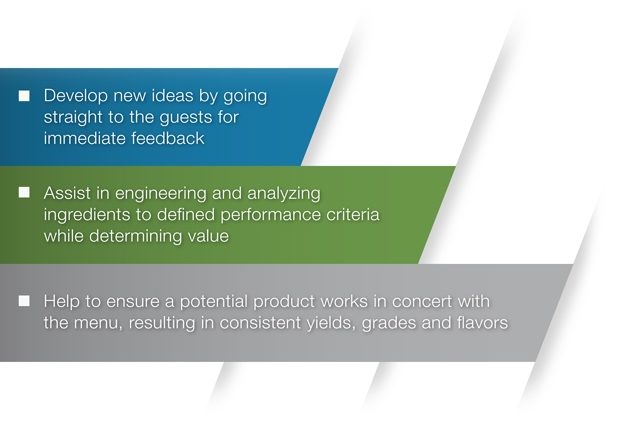
1. Reach out to guests for their feedback before making large-scale changes. According to an article on The New York Times website, hotels are developing new ideas by going straight to their guests for immediate feedback.

Some operators conduct tests in a fluid, trial-and-error way, testing ideas in certain areas of the hotel or with certain products to gauge guest reaction. Many operators look to their group purchasing organization to guide them through this process. Others simply poll their guests to get feedback on food or the overall experience.

For example, according to The New York Times article, La Quinta Inns and Suites improved customer satisfaction scores simply by focusing on the two most common complaints with its free breakfast: a lack of healthy menu choices and a setup that was difficult to navigate. After trying various layouts, and then surveying guests, La Quinta found it only needed to change the layout of the breakfast, not the selections.

2. Schedule a test drive via a short-term promotion before making it a permanent fixture on the menu. Standards-based purchasing systems can help ensure the product works in concert with the menu, resulting in consistent yields, grades and flavors.

3. Engage experts in the field.  Operators have myriad issues to address from HR to landscaping.  By engaging in a Group Purchasing Organization, the operator can access their experience and insights to identify the key attributes of products and measure the value for both the guest and the operation. The GPO can assist in the implementation of  standards-based purchasing to stabilize consistency, engineer quality and strengthen business.

Source1 Purchasing can help operators with menu tastings and promotional testing to determine the effect of a combination, flavor profile or promotion. Standards-based purchasing systems can help engineer and analyze ingredients to define performance criteria while determining value. This is often a crucial factor for decentralized hotels and restaurants that are highly dependent on individual chefs. With standards-based purchasing, the knowledge stays with the property should the chef leave for other opportunities.

By using a group purchasing organization like Source1 and employing standards-based purchasing, you can continue to improve the guest experience.

Purchasing-Best-Practices2
Blog PostsCateringLodgingRestaurants

6 Purchasing Best Practices to Implement Today by using a GPO

In the hospitality and food service industries, there is a saying that amateurs buy often, but professionals purchase only once.

Some small to mid-size operators spend a great deal of time and effort buying instead of purchasing. When making a shift to purchasing best practices, you can access experience and information that will contribute to your success — purchasing is an educated acquisition, while buying is informal shopping. And a group purchasing organization can help operators transition to a more advanced procurement method.

Here are six purchasing best practices, along with reasons why you should adopt new buying habits.

1) Purchasing is about studying the products: Moving from buying to purchasing starts with education about product performance, value, security and sourcing. By studying these points, you can find answers to questions that improve guest satisfaction while increasing profits: How can you offer new products or find new dishes that demonstrate revenue growth? How can you increase your average guest check while lowering food costs? How can you create signature dishes that attract and retain guests?

2) Purchasing maintains product value and performance: The key difference between buying and purchasing comes down to this — buying is attaining products while purchasing is the management of products. There’s a contractual element to purchasing, which can guarantee elements like price, yield and grade, determining factors that ultimately make the product more successful. While buying usually creates product inconsistency, purchasing improves product quality and results in higher guest satisfaction scores.

Consistency is a crucial component of a successful operation, stemming not only from using quality ingredients, but also from having a reliable staff, according to an article on the Culinary Arts 360 website. “No one wants to chance eating at an establishment that has a dish perfect one night, and a mess the next,” the article states. Purchasing ensures a favorite dish will always include the same quality ingredients.

3) Purchasing as a group leads to extra discounts: Group purchasing organizations like Source1 can help operators with their purchasing model. By combining purchasing power from different operators, Source1 can present to an operator the latest rebates, allowances and incentives on a variety of products across all areas of their operation.

4) Purchasing leads to information sharing: Group purchasing organizations help operators share knowledge and exchange reviews. Source1 Purchasing performs a business review every quarter with clients to evaluate savings that were realized and what potential they have for additional savings.

5) Purchasing is a tool for improvement: Operators that move toward a purchasing methodology can focus on continuously refining the process. Instead of buying the cheapest brand on the market, they can choose an item — say a standard chicken breast — and then work with that item to make it great. Once operators move to a standards-based purchasing model and create a new baseline, they can work on improving it.

6) Purchasing offers better return on investment: During the recession, many operators re-engineered their menus to focus more on ancillary items like salads, soups, appetizers and desserts. Profit margins are better on these products and they offer greater flexibility to introduce new ideas. These operators increased their margins by offering exciting new desserts with a cup of coffee or other beverage. This was a direct result of purchasing and its related analysis, demonstrating the great return on investment of group purchasing organizations.

There are many sound benefits to implementing purchasing best practices. The bottom line is that if you’re simply buying products instead of purchasing, you’re not getting the most for your dollar, and possibly save the wrong products at the wrong price. As an authority in GPO best practices, Source1 Purchasing can get guide you away from buying and toward purchasing. Plus you’ll have access to the resources, tools and leverage of a powerful purchasing program.

Blog PostsLodging

How can Procurement Solutions help Hotels Stand Out?

Hoteliers are getting more creative in their approach to food and beverage. Some operators are creating smaller dishes to meet the demand for lighter portions while others are looking for new products and flavors so they can give their guests something different.

Whatever the trend, purchasing or procurement solutions can assist operators in accessing fresh ideas and ordering the products travelers today want.

An article on the Hotel F&B website describes how JW Marriott Chicago recognized the opportunity to capitalize on unique pairings for in-room dining options. Chef Michael Reich explains how the move to upscale concepts in the hotel’s room service offerings directly targeted clientele.

“Part of our brand is to cater to the three greatest passions of the sophisticated traveler — culinary, culture and personal well-being — and these in-room dining options allow us to meet these passion points,” he says.

Among the appealing options:

  • A daily-changing menu of savory and sweet bites assembled using the freshest ingredients
  • Three dishes and a monthly wine selection  with a coordinated presentation
  • A pairing of craft beer with a locally produced cheese or specialty item (wings, pizza, gumbo)
  • A cupcake flight with fanciful flavors

The “wow” factor has extended beyond the hotel’s guest rooms. Meeting planners are always on the hunt for exceptional tasting options for their groups.

A current trend for hotels is to include wine, beer and cheese tastings at events. Offering a wine tasting is an opportunity in disguise — it’s a great way for operators to freshen up their offerings without going to the expense of a buffet. With carefully orchestrated purchasing or procurement solutions, hotels are able to generate additional revenue.

Some operators are also offering convenience with their pantry concepts and vending choices in their hotels. These concepts offer guests a quick meal that they can eat on the go or in their room while catching up on the business demands of the day.

More operators are remodeling their kitchen facilities to accommodate these new trends. For smaller hotels, this may mean changing both the equipment and food selections to include the items customers have the greatest likelihood to buy – maybe hot foods, or a selection of salads and ready-to-go-sandwiches.

Many hotels are redefining their breakfast by increasing their selection of breakfast products to include hot foods. For hotels with limited staff, this requires the benefit of experience to assign the right resources. Where offerings once ranged from cold cereal and pastries to cookies and coffee in the lobby, these operators now schedule staff to prepare eggs, set up lunch options and clean up while containing expenses.

Doubletree is known for the warm chocolate chip cookies awaiting guests on their arrival. Those cookies have clearly identified the chain’s brand message and appeals to guests. That’s proof positive that with the right purchasing or procurement solutions, new ideas can be very successful.

Are you ready for support in the area of purchasing or procurement solutions to give your hotel a memorable feature that will have your guests talking?

Strategic-Sourcing-Organization-606×380
Blog PostsRestaurants

Turn to a strategic sourcing organization for popular ethnic cuisine

The cultural evolution of American society is reflected in today’s most popular food trends. A strategic sourcing organization can help hotels and restaurants serve authentic, fresh, ethnic foods that today’s guests want.

According to an article on The New York Times website, sales of ethnic foods rose 4.5 percent from 2010 to 2012, to $8.7 billion. The article also states that market research firm Mintel predicts additional growth of 20 percent in ethnic foods on store shelves between 2012 and 2017.

Asian and Hispanic foods are at the top of the list of the most popular ethnic cuisines, according to hospitality expert Dan Admire. While there have always been ethnic restaurants in the United States, these foods are now being prepared with a high degree of authenticity, largely because people are well-traveled and have access to more information. Just consider the number of cooking TV shows, the explosion of web resources like epicurious.com and overflowing shelves in the culinary section of any bookstore. Some people are on a quest to master the preparation of exotic recipes.  Others enjoy the programs, websites and books as a source of education or information.  And armed with this new learning, they expect some level of authenticity when dining out.

Authentic ethnic cuisine is especially important at hotel restaurants because of the broad range of customers. Admire suggests working with what’s already on the menu, but elevating items to the next level. For example, if your operation offers nachos on the menu, consider adding other items like pork carnitas.

Well-known food companies, such as the Campbell Soup Company, Frito-Lay and even fast food giants like McDonald’s, are introducing products with more colorful flavors. Chuck Vila, vice president for customer and consumer insights at Campbell’s, told The New York Times that ethnicity is influencing the buying decisions of millennial consumers (ages 18 through 30-something) because they have grown up with everything from salsa to sushi.

Food-and-beverage companies are investing heavily in transforming their product lines to capture international business and the demographic shift. Keeping up with this type of trend does not necessarily mean higher food costs for your operations. A strategic sourcing organization can help you access lower prices without losing quality. By partnering with a strategic sourcing organization like Source1, you will be able to locate and offer foods that are unique to your hotel or restaurant.

Current trends also include some very unusual but amazing blending of cultures. For example, China Poblano in Las Vegas offers an innovative take on Chinese and Mexican food from Chef José Andrés, notes Admire. In Boston, Ming Tsai has opened the Blue Dragon, a self-described “Asian gastropub” serving dishes such as short rib pot stickers and Asian sloppy joes.

At hotels, as Admire points out, guests are seeking new and exciting dishes that showcase the flavors of the world. That’s why it’s important to offer them a variety of ethnic foods that are fresh and, above all, taste great.

But as a hotel or restaurant operator, you might be overwhelmed with trying to figure out the perfect recipe or combination of foods that will satisfy your customers. With a little planning, and the help of a strategic sourcing organization, you’ll find the support to locate these ingredients at a fair price. And with a new, expanded menu, you’ll be able to attract new customers and stand out from the competition.

Diners are putting more importance on a restaurant experience that offers fresh, exotic dishes. Get to know your customers. Learn about the places they’ve been and the foods they’ve tried. You may be surprised by the spark of an idea that an experienced travelers offers which can turn into a show stopping addition to your menu.

Then work with a strategic sourcing organization to change things up with new and exciting recipes. You will begin to satisfy the diverse palates of your guests, meet their expectations and brand yourself in a new way.

S1P-Procurement-Process-606×380
Blog PostsLodging

3 Ways a New Procurement Process helps Hotel Operators Overcome Issues

The hotel industry weathered a turbulent economy in recent years and continues to evolve in order to satisfy guests and start generating more revenue. Hotel operators are becoming more creative when it comes to understanding their guests’ preferences. Translating those preferences into the right products and services demands a review of the operation’s procurement process.

All department heads should be tasked to think strategically. Source1 Purchasing is dedicated to helping your operation streamline the hotel procurement process so you can present a unique and memorable experience that is aligned with guest expectations. When guests are delighted, they return and recommend.

One challenge operators are facing is providing the right kind of food and beverage experience for the guests’ expectations in an environment of changing preferences. Large hotel chains are known to be pioneers in innovation and recognized a shift in how guests wanted to be served and what specific types of food they expected to find on the menus.

Marriott is a good example of a chain that is moving away from what was the typical restaurant in a hotel concept. Marriott has essentially rebranded to reflect current trends of guest expectations. Fast-casual dining has been a growing trend in 2013. Marriott was one of the first hotel brands to implement changes, including its market concept where guests could buy hot and cold drinks, fresh salads, sandwiches and snacks around the clock.

According to an article on the USA Today website, coffee shops and casual eateries have allowed busy, health conscious travelers to customize their options. In order to capture some of this business, hotels have been changing the type of food they serve and where they serve it.

“People don’t want to ask to be seated and be given menus,” Brad Nelson, corporate chef at Marriott International, tells USA Today. “They want to sit down, maybe meet for an hour and then order. They want flexibility. We can thank Starbucks for that.”

As the hotel industry moves toward 2014, you will continue to have new opportunities to make guests comfortable based on today’s needs and tastes.

Pricing also continues to be a major challenge. More hotels are opening marketplaces similar to Marriott’s concept with ready-made sandwiches, salads and other foods that are easy to pick up and at a lower cost than a sit-down meal. A customized hotel procurement process allows you to follow Marriott’s example but make it uniquely yours.

The USA Today article notes that aside from rooms, food and beverage revenues represent the second-largest source of revenue for full-service hotels, according to industry tracker PKF Hospitality Research. Food and beverage departments need attention because they have been struggling to rise above pre-recession levels. New innovations can help boost revenues.

Revenue management is the third challenge operators are facing. Smith Travel Research (STR) was the pioneer of lodging analytics. This helped operators optimize their property and place it in a competitive group. By sharing information about average daily rates, it gave operators a baseline to negotiate from and they then built models based on timing and availability. It became a tremendous tool that operators used to improve their operations.

Now you can get real-time feedback on your property with additional tools such as TripAdvisor and other social media outlets. As you develop your own strategic plan, use the support of food and beverage in addition to the rest of your hotel operation to present a quality experience for your guests and meet their expectations. This will elevate you above your competition. Because guests are looking for a complete experience at a hotel, you have to make sure every department delivers.

For food and beverage, that means you have to ensure that the brands and quality of the products you select within your procurement process all deliver on your promise. Guests are looking for new and exciting food. They’re also increasingly concerned about where the food and beverages came from. This can mean providing information about the source and whether it’s organic, free-range or gluten-free.

When all the pieces of your operation work together, from food and beverage to the quality of the pillow and friendliness of your staff, you can generate higher quality scores that help you stand out from your competition.

thefiveitemmakeover
Blog PostsLodging

How Group Purchasing Organizations Help with a 5 item Makeover

When was the last time you really analyzed your hotel’s purchasing strategy? Although placing orders might be a more routine, mundane requirement, it also can be an opportunity to seek out easy ways to save money. Today may be the right day to tune up your purchasing practices.

Keeping up with hotel trends is necessary, but can be costly if there is no system in place for regular evaluations and price comparisons. You can manage your purchasing more efficiently and still impress guests by considering every aspect from the 10,000 foot view of annual plan to the detail of using precious storage space wisely.

Sounds overwhelming, right? Who has time to focus on this one area when running a hotel has many different operational requirements? When you consider how many different products are used on a regular basis at your hotel, yes, it could appear overwhelming. There are great solutions that allow you to manage like a pro with minimal time investment.

Operators who want to systematically improve their purchasing should start with a “5 item tune-up.” Take time to figure out what products are used the most at your hotel operation and how much is spent on those products. Your distributor or purchasing department would generate a report listing your products and their related unit costs and quantity purchased for a period of time. Then sort the highest costs to the lowest costs…

Typically, restaurants and hotels spend 40 percent of their food and beverage budgets on the top 20 items on that list. But by doing the “5 item tune-up,” operators can reap some significant benefits by looking at just five products a month.

Start by breaking down the top 20 products into main categories like beverages, dairy, bakery, etc. Then take 5 items and compare each item to Source1 Purchasing’s list and identify opportunities to get the lower price by participating in the Source1 program, or switch to a similar product on Source1’s list and save through a lower contracted price and/or receive rebates.

This approach makes it easy for time-crunched managers to save money without having to invest hours of time chasing down deals. You can easily make informed decisions using the information that group purchasing organizations publish on their products and prices.

Hotel and foodservice operators need to always validate where they are in terms of purchasing, and this ties into commodities. Evaluating your purchasing doesn’t have to be a stressful process. By breaking it down into five products a month, operators can start saving money without an overwhelming investment of time.

According to an article on StarChefs.com, you can raise prices to control food costs, or you can organize your storage room and keep inventory to a minimum. The article also encourages hotel operators to cost out the menu, and price the high-cost-percentage items accordingly.

Operators are always trying to get better products and prices on their food and beverage purchases to drive better results in their programs. Many times, they’ve made purchases based on a distributor’s recommendations… Group purchasing organizations like Source1 work with manufacturers and distributors to provide information about the range of available products.

Operators can work with their group purchasing organizations to take advantage of tools and resources to tuneup a purchasing department. Operators benefit with a shift to being more progressive in their purchasing and implement best practices to make sure they’re staying current with trends like the impact of commodity items on food prices.

In order to retain a competitive edge with other hotels and restaurants, you need to use every tool available to you. Continue your “5 item makeover” on a regular basis until you have successfully analyzed all of the products on your shelves. The StarChefs.com article also suggests that you take inventory weekly, especially if food cost is a recurring problem for your organization.

Remember the 1-5-12 rule:

  • Once a month, every month
  • Review 5 of the top items your operations uses
  • Find time 12 months a year…your knowledge and your savings will grow steadily.

Together, you and your group purchasing organization can develop a strategic plan for your operation to manage purchasing more efficiently and save money while creating better value for your guests.

4-step-graphic
Blog PostsLodging

What benefits can your Hotel Gain from a Group Purchasing Organization?

At first glance, you might think participating in a group purchasing organization is all about saving money. But partnering with an organization like Source1 Purchasing is about much more than simply finding the lowest prices. There are a number of resources that become available like the commodity report. Released by Source1 in partnership with Entegra, the report spotlights how prices are trending and why. It is important for you to understand commodity pricing and project how a change will impact your operations. In the end, it’ll help you make better purchasing decisions.

There are a number of different areas that are impacted by emerging nations, market trends, weather and other issues. Operators need to revisit the specifications for their products and consider what’s trending. Can they take advantage of these trends and select different products or foods to maximize their cost savings?

One thing is certain for restaurant and hotel operators: commodity prices for food and hotel supplies will fluctuate…wildly at times. These unpredictable changes impact a hotel’s budget and will challenge its commitment to consistently satisfying customers.

Being part of a group purchasing organization helps you fulfill your promise, which is a key element in maintaining a relationship with loyal guests.

It can be hard to gain loyalty from today’s guests because they are savvy at online shopping for the best value and best hotel that meet their criteria. Kelton Global conducted a survey for the Carlson Rezidor Hotel Group to learn about hotel loyalty program members.

The survey, which was discussed in an article on the MarketWatch website, discovered that even though four out of five respondents said they would join a hotel loyalty program, it would take at least three experiences for two-thirds of them to consider themselves loyal to any specific brand.

This is kind of like a three-strikes-you’re-out mentality, but it does give you opportunities to prove you can be consistent. Also revealed in Kelton Global’s research is the fact that one in five Americans belong to a hotel loyalty program, and nearly 60 percent join more than one loyalty program while shopping around for the hotel best suited to their needs.

Now more than ever you need to be on top of your game, including the strategic use of marketplace intelligence like commodity reports. The products you select should only reflect your brand promise to guests and elevate their overall experience.Commodity reports coupled with other reports on trends provide important information needed to plan an overall guest experience from arrival to menus even the way those items are delivered. Remember room service? Today’s traveler wants other options.

Restaurants and hotels have become creative with their approach to balancing the budget and the brand promise. For example, you can minimize the appearance of change by selecting the same product in an alternate size.

You may want to start looking for a value-added product. Just like coffee manufacturers have moved from selling a pound of coffee to selling 12- or 15-ounce containers, operators need to consider the same approach. Rethink and refocus on what the product is for. If one particular protein becomes too expensive, for example, consider a different quality or a different cut.

Operators can also use change as an opportunity to consider a different flavor or presentation. Make the new dish a limited time offer to build a buzz and drive revenue. If produce costs are falling while protein costs are rising, use this to create a number of dishes where fruits and vegetables are the main attraction. Tie that in with the local food movement and market it to guests who are looking for lighter dishes that are also healthy and environmentally conscious.
Finding a less costly product can actually be an opportunity to expand your menu and attract new guests, and is yet one more benefit of joining a group purchasing organization.

The commodity market will always be somewhat unpredictable. But that does not need to be a frustration. Use reports to explore creative solutions. Your operation can create a memorable experience for guests without overextending your budget. Source1 Purchasing assist their customers with information from commodity reports, updates on trends and the latest from suppliers…all with one goal; to make smarter purchasing decisions.

The-top-benefits-of-joining-a-purchasing-group
Blog Posts

The Top Benefits of Joining a Purchasing Group

Purchasing groups for the hospitality industry provide the same buying power and a wider range of options to all hotel operators. This is good news and beneficial for operator of smaller operations. You can maintain quality while experiencing greater savings.  That’s one sure way to enhance guest satisfaction.

If you’re an hotelier or general manager of a smaller operation, you are typically responsible for everything at your property, including the never-ending search for best costs on all your supplies. It is nearly impossible to compete with large operations that qualify for volume discounts

The time and resources you devote to procuring food, beverages and supplies doesn’t always translate into savings. Consider a different approach for the way to handle your hotel purchasing needs.

As you begin to learn about hospitality industry purchasing groups, the benefits will quickly stand out. By participating with a GPO, you have access to the price stability that pre-negotiated national contracts offer.  Next step?  Learn how the purchasing group functions in order to get the most from your partnership. Is there a fee?  Is there a long term contract?

There are many different activities and methodologies in procurement.  Those new to managing an operation may focus on buying or obtaining products. Over time, the value of purchasing, a broader concept becomes the focus to meet the requirements of brand, its reputation and the role that each product plays in delivering on the larger promise of your operation.

While small- to mid-sized operators have historically functioned as buyers, there is a growing sophistication. As in the past, to keep prices under control, the model required hoteliers to make many sacrifices in brand quality and consistency. Those sacrifices ultimately influenced the guest experience and satisfaction.  Today, hoteliers are looking for smarter purchasing solutions to protect the brand.

You don’t have to sacrifice quality to provide the best value. By joining a purchasing group, you will benefit from standards-based purchasing and also qualify for even more savings by accessing national, pre-negotiated contracts. Over time, this has become the methodology of choice for hotel operators. Typically, with over 6,000 products, hoteliers don’t alter the product, just the price they pay in large part due to the national contract pricing

Deviated contracts offer a set price directly from manufacturer to buyer. This type of model is seven times more impactful and illustrates that the manufacturer wants to earn your business and build a relationship with your operation.

You can access greater tiers of savings with purchasing groups. Source1 Purchasing participants benefit from access to industry trends, national contracts on the products hoteliers have come to trust and an understanding of the requirements of hotel brands.

large-and-midsize-procurement
Blog PostsLodging

Why a New Procurement Process better Leverages your Hotel Purchasing

Large well-known hotel brands are serious when it comes to their procurement process, selecting the most appropriate suppliers to support their various tiers of service. Both Hilton and Marriott hotels have defined specific criteria for potential suppliers on their websites. Like many hotel companies, they are selective about the products and services they choose based on a commitment to adhere to carefully established brands standards, designed with quality and consistency in mind.

Marriott looks for suppliers that provide excellent service and value-added products that meet or exceed their standard of quality. They also expect competitive pricing and innovative solutions. Hilton shares this focus. Both hotel companies are dedicated to cultural diversity of local communities.

Keeping their promises to guests is important to these brands and it shows throughout their procurement process. They want the best quality in addition to the best choices. Major hotel companies engage in direct negotiation because their volume translates to significant buying power.

Large hotel chains are often staffed to ensure adequate research of products, services and trends. Their purchasing teams are able to verify the quality of the products and the reputation of the companies, with a thorough understanding of the supply chain,

Smaller and mid-sized hotel companies can also benefit from a strategic procurement process. Companies like Source1 Purchasing are arriving with programs that allow operators to access the same strategic solutions…

It starts with a clear understanding of price and cost. Price is not the key evaluator. At Source1, that the importance price plays, as an exchange rate is underscored. Cost is the sum of yield, brand and utilization; cost usually represents the cost of ownership.

This is a big shift and translates into the major difference between buying and purchasing. Buying is an acquisition and purchasing is a study of all the factors of ownership. Buying is just the simple act of acquiring an item, but purchasing has many complex activities to it.

An old adage sums it up simply — amateurs buy often, professionals purchase once.

If you find you and your team are continuously shopping and getting bids, and constantly changing suppliers in an effort to get the lowest price, stop for a moment and consider the long term implication. When you negotiate once, you get a fair price over time and return you attention to your primary business, growing your hotel’s revenue by delighting your customers. What’s important is selecting a quality partner and working with that partner to create a list of products and standards.

Group purchasing organizations can help operators by providing invaluable expertise in the area of protecting brand standards and accessing the best products at the best price. Their service allows you to focus on other areas of your operation. When a smaller operator runs to Costco to buy supplies, they may save $30 on that day. Or they could have spent their time in ways to generate more revenue.

Consider yield — what you do with the product once you’ve attained it. With standards-based purchasing, you get high-quality products and have very consistent performance. That consistent level of quality costs less and gives your customer a familiar, welcome experience.

Best practices in purchasing and procurement are not reserved for the largest hotel companies anymore. Consider the benefits of engaging experts in a solid procurement process while you turn you attention to growing your revenue.

gpo-map-feature-one
Blog PostsLodging

How Hotels can Benefit from Group Purchasing Organizations

Every guest has certain needs and expectations. Business travelers want certain amenities to make their travels comfortable while leisure guests are motivated by other amenities every traveler has one clear expectation – consistency with a brand. They expect consistency in quality, value and other aspects of their hotel stay.

According to an article on the Hotel News Resource website, getting the basics right while consistently improving your operations goes a long way in making sure guests are happy, satisfied and want to return.

You can spend a lot of time simply focusing on the basics, but you might inadvertently overlook other important aspects of managing a hotel business. Occupied rooms generate revenue, but represent only one slice of the revenue pie.

You might be surprised at the steady increase in overall revenue generated from better management of your purchasing. Better management does not mean changing suppliers often, even though other suppliers might promise lower prices from time to time.

Traditionally, an operator negotiated with suppliers in their local area, which limited their options; they could only leverage their buying powers so much. With new technology, you’re now able to use hotel group purchasing organizations like Source1 Purchasing to get volume discounts and better prices from the manufacturer.

The relationships that group purchasing organizations have with manufacturers allow mid-market operators to secure pre-negotiated prices through the local supplier network, just like a larger organization would. This direct manufacturer relationship allows you access to a broad variety of product lines and brands, so you can repeatedly order high-quality products at a consistent price.

Operators can also consider alternatives to their products and services they buy as consumer trends change. A hotel group purchasing organization can offer the operator insights and trends as well as stable purchasing solutions historically; the research into new ideas would be very time consumer for hoteliers.

Smaller and mid-market operators have traditionally used competitive bidding to find the products they need at the lowest price; they want to ensure they’re getting charged as little as possible. But this often causes them to spend hours doing research and changing suppliers. The result can have a long term impact of the quality and consistency of products and services, and importantly, distract operators from other important areas of the hotel operation.

Frequently changing suppliers can also increase the likelihood of losing quality products and consistency. But remember: Guests want consistency throughout their stay, especially business travelers. When that need is met, they view your hotel favorably and share their positive experience on social media sites. Happy guests also return.

As they learn about GPO benefits, more operators are joining buying groups to access savings but also expertise, access to industry trends, updates about new products, and renegotiated contracts that protect their operating costs from inflation.

Operators that are considering a group purchasing organization like Source1 should take a look at the top 25 products they use and see what kind of savings they could achieve by using strategic sourcing. Our strategic sourcing solutions can get you a better price while saving you time — no more shopping around for the best price each month. Source1 knows that every dollar matters and that you need the right products at the right price.

You no longer have to handle all the purchasing negotiations alone. A hotel purchasing group does more than provide access to lower prices. This type of program also reduces operating costs, ensures quality and, most importantly, provides you with the insights and resources of a partner with purchasing expertise.

Graphic designed using information from: Hotel News Resource